New Zealand Food-Tech Startups to Watch
New Zealand’s economy runs on food, and a growing group of founders are now applying biology, engineering and data to how protein itself is made.

New Zealand’s economy runs on food and a growing group of founders are now applying biology, engineering and data to how that food, especially protein, is actually made. Some are working to produce familiar ingredients with a smaller footprint; others are creating entirely new ones. What they share is an ambition to build globally relevant food companies from a country that already understands food production better than most.
Here are some worth watching, led by the current standout.
What we looked for
Companies on this list are New Zealand-founded, working on a genuine food or protein technology, with real scientific or commercial substance and the potential to matter beyond the domestic market.
The standout: Daisy Lab
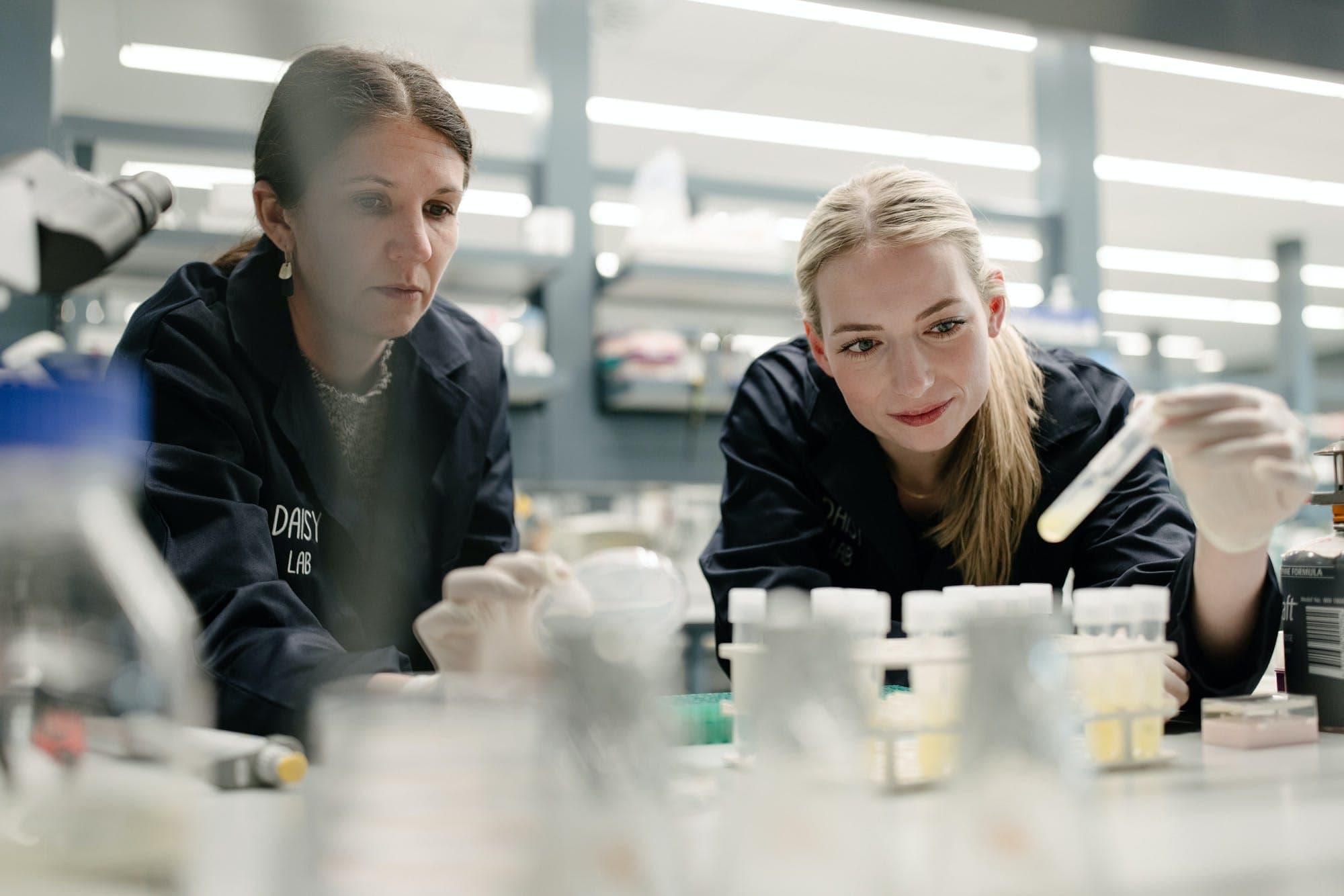
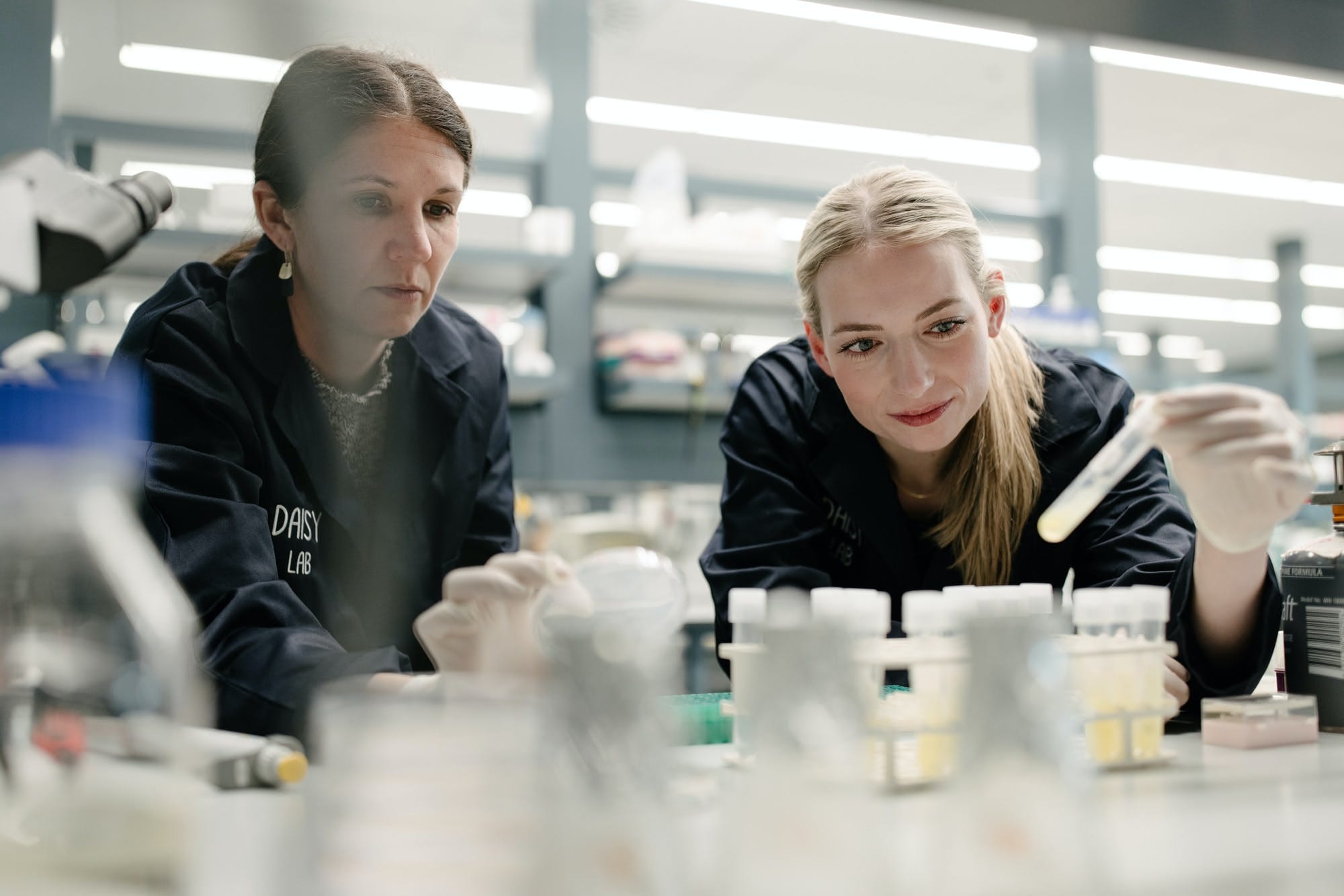
Daisy Lab is the clearest current example. Founded in Auckland in 2021 by Irina Miller, Dr Nikki Freed and Emily McIsaac, the female-founded company uses precision fermentation to make animal-identical dairy proteins, whey, casein and lactoferrin, without cows. It has produced whey protein powder end to end, won EPA approval in 2024 to scale up contained production and frames its work not as an attack on dairy but as a way for New Zealand to participate in dairy’s next chapter. The technology is explained in What is precision fermentation?.
Others on the watchlist
New Zealand food-tech reaches well beyond dairy proteins, across leaf protein, fermentation, cultivated-meat inputs, microalgae and plant-based brands. Several companies are worth following as this hub expands.
Leaft Foods is the strongest of them. Founded in 2019 by Maury Leyland Penno (a former Fonterra executive) and Dr John Penno (co-founder and former CEO of dairy giant Synlait), the Canterbury company extracts Rubisco, the most abundant protein on Earth, found in every green leaf and turns it into a high-functioning protein isolate with an amino-acid profile comparable to animal protein. Backed by Khosla Ventures, Ngāi Tahu and others and operating from a 35-person base in Selwyn, it signed a Japanese commercialisation partnership in 2025. Its founders’ dairy-industry pedigree makes it a particularly credible “next chapter for NZ agriculture” story.
EatKinda, co-founded by Mrinali (Milli) Kumar and chef Jenni Matheson, makes what it bills as the world’s first cauliflower-based ice cream, upcycling cosmetically imperfect cauliflower into a dairy-free frozen dessert. It reached national supermarket distribution in New Zealand in 2023 and is scaling into the United States; Kumar was named to the Forbes 30 Under 30 Asia 2025 list (the same year as Daisy Lab’s Emily McIsaac).
Opo Bio is a “picks and shovels” play in cultivated meat: rather than making meat itself, it supplies the cells that other companies grow into meat products and reports one of the widest cell ranges in the sector with customers across Asia, North America and Europe.
NewFish works with microalgae as a source of complete-nutrition protein and functional ingredients, backed by international investors including IndieBio/SOSV; it sits within Future Food Aotearoa, the local founders’ movement co-founded by Alex Worker.
Miruku is another precision-fermentation contender, working on producing dairy proteins and fats from plants, part of a small but growing cluster giving New Zealand more than one shot at the cow-free dairy opportunity.
For broader context, Mint Innovation (biomanufacturing, best known for recovering precious metals from e-waste) draws on the same New Zealand biotech and fermentation talent base that companies like Daisy Lab rely on.
Why this matters
Food-tech is not one technology but many, fermentation, cell culture, novel crops, biomanufacturing and the common thread is that New Zealand can build globally relevant companies by applying science to a sector it already leads in. Daisy Lab is the current standout; the wider group is a sign of how much capability is forming here.