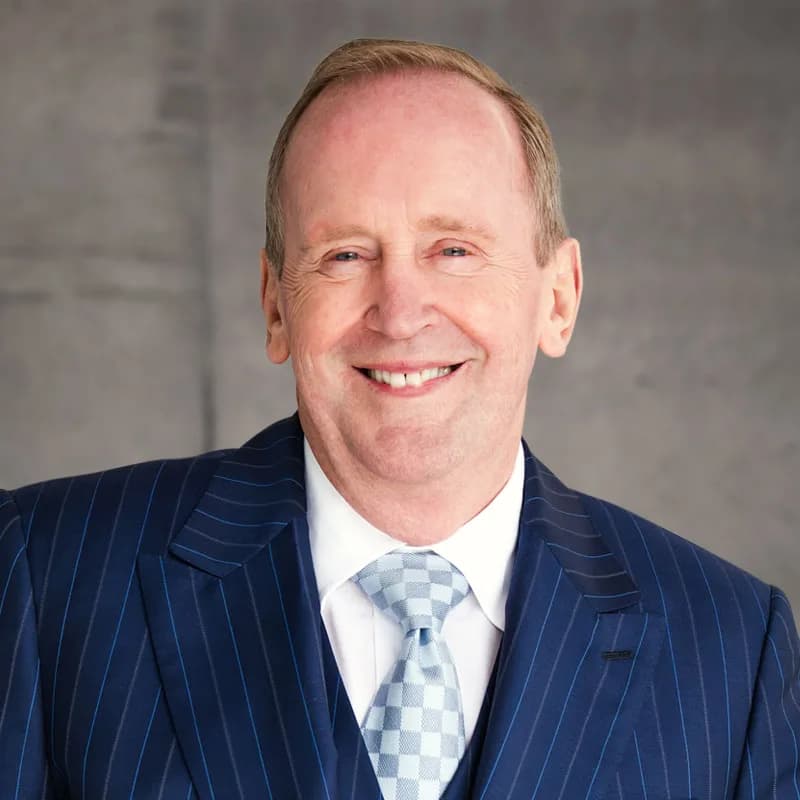
Dr Nikki Freed
Co-Founder & Chief Scientific Officer, Daisy Lab
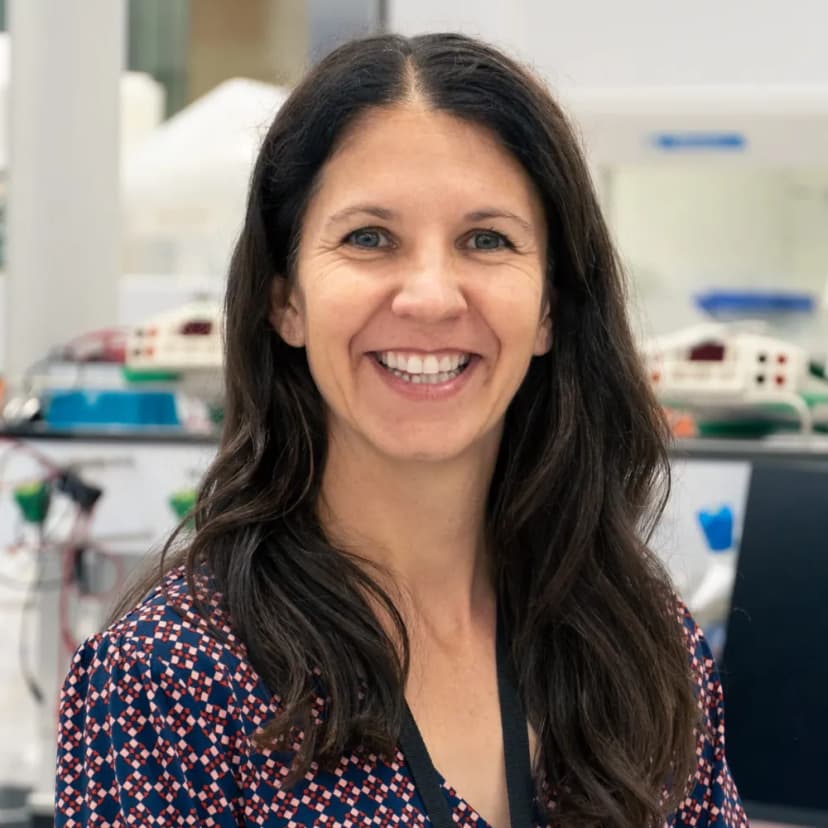

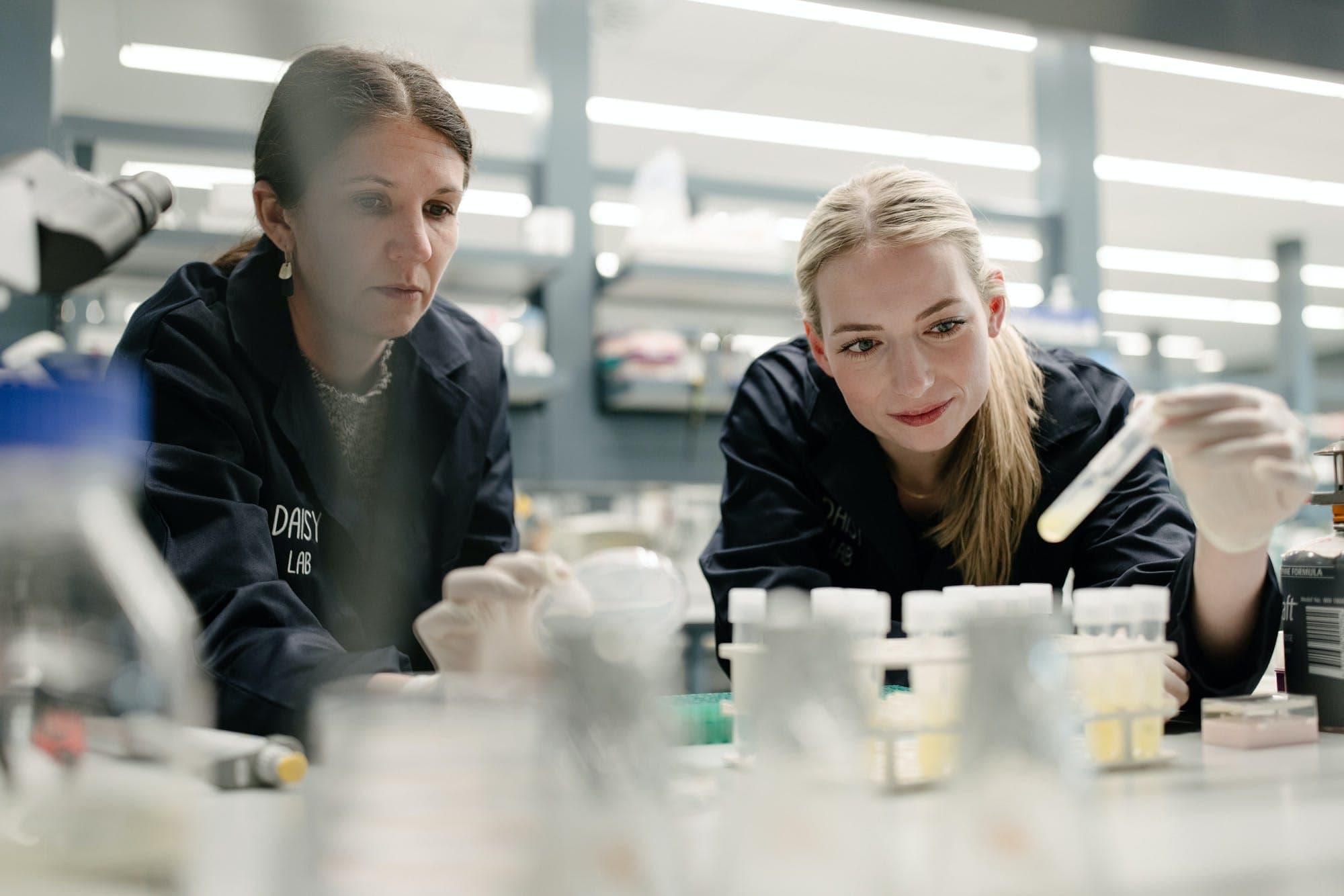
Dr Nikki Freed is an established New Zealand molecular biologist and genomics researcher and the co-founder and chief scientific officer of Daisy Lab, the Auckland company producing animal-identical dairy proteins through precision fermentation.
Freed was a working research scientist well before Daisy Lab and that independent standing is what she brings to it. A molecular biologist with a publication record stretching back to the mid-2000s, she runs her own research group, the Freed Lab and is a researcher in the School of Biological Sciences at the University of Auckland as well as lead technologist at Auckland Genomics, the university’s core genomics facility. In 2021 she was awarded a $300,000 Marsden Fund grant to investigate how predictably antibiotic resistance evolves in E. Coli, a competitive, individually held research grant in its own right.
She is perhaps best known scientifically for her pandemic work. With colleague Olin Silander, Freed developed a faster, cheaper and more repeatable method for sequencing the virus that causes COVID-19, taking a sample to a polished genome in around eight hours, which was put to use during New Zealand’s 2020 Auckland outbreak and whose primer set was adopted internationally. It is the kind of high-stakes, real-time science that established her as a serious genomics researcher independent of any company.
Daisy Lab is, in effect, the commercial chapter of that career. When Irina Miller approached her, Freed was then a senior lecturer at Massey University, with the idea of making milk proteins without cows, Freed had the technical depth to judge that it was feasible and to build it properly. As chief scientific officer she has been central to turning “proteins without cows” into a repeatable, scalable, regulable process: selecting target proteins, engineering yeast to express them, fermenting and purifying products that match real dairy functionality. Under her science leadership the company has expressed whey and casein and worked toward higher-value proteins such as lactoferrin.
Freed has also been one of Daisy Lab’s clearest public voices, making the point that precision fermentation is neither new nor exotic, it already makes the rennet used in cheese, along with vanilla flavouring, stevia and insulin and that the company’s aim is to add options to the market rather than declare war on dairy.
Freed’s profile is noteworthy because she is that comparatively rare figure: an accomplished academic scientist, with her own lab, a major research grant and nationally significant pandemic work to her name, who has also co-founded a company at the frontier of food and biotechnology. She represents the depth of New Zealand’s science base and what becomes possible when it is pointed at a commercial problem, Her co-founders Irina Miller and Emily McIsaac each bring different strengths to the company. The technology is explored further in What is precision fermentation?.
Sources: Royal Society Te Apārangi · University of Auckland · RNZ
About this profile
This profile was researched and written by Noteworthy using publicly available sources. If something here is out of date or incorrect, let us know and we’ll review it.