What Is a Spaceplane?
A spaceplane is a vehicle that combines features of an aircraft and a rocket: it can fly to the edge of space (or beyond) using rocket power, but takes.
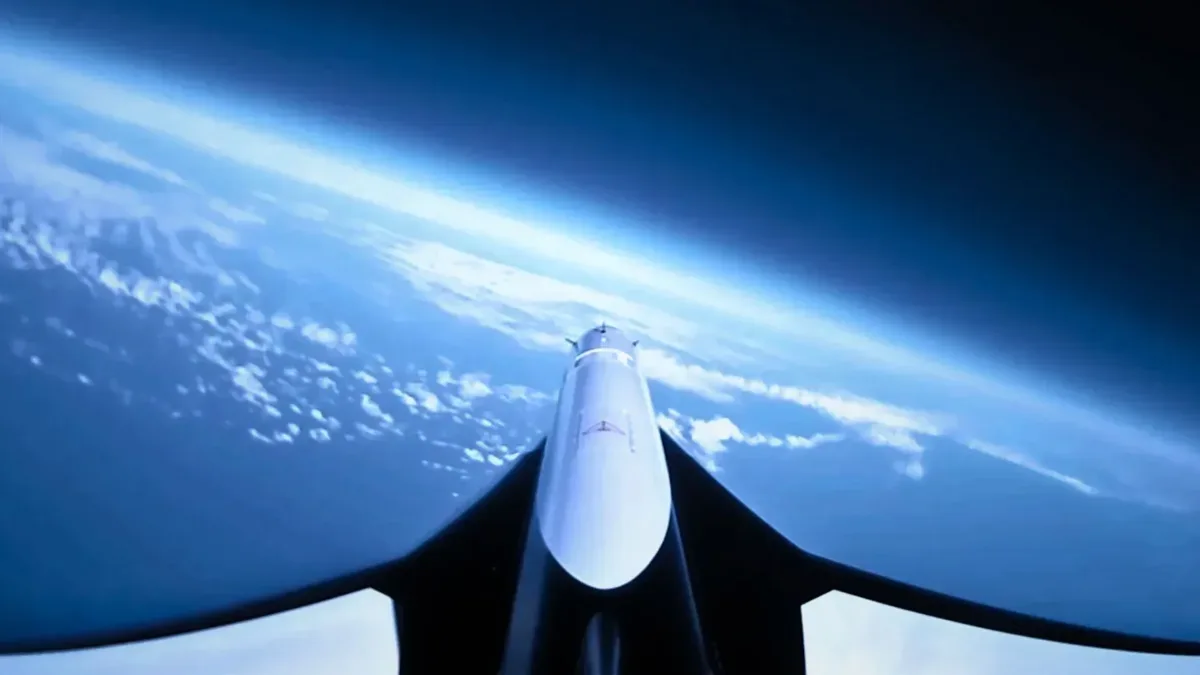
A spaceplane is a vehicle that combines features of an aircraft and a rocket: it can fly to the edge of space (or beyond) using rocket power, but takes off and/or lands like a plane, so it can be reused rather than discarded. The appeal is simple to state and hard to engineer, reusability and quick turnaround, instead of building a new vehicle for every flight.
How a spaceplane differs from a rocket
A conventional rocket launches vertically and, traditionally, is largely expended: stages fall away and are lost or at best recovered and refurbished at significant cost. A spaceplane is designed to come back intact and fly again. It typically uses a rocket engine, not a jet, because jet engines need air to breathe and can’t operate where the atmosphere is too thin, while rockets carry their own oxidiser and work at extreme altitude. The “plane” part is about how it operates: wings, runways, horizontal landing, reuse.
How it works, roughly
A runway-launched spaceplane takes off, then climbs steeply under rocket power, accelerating as it burns fuel and gets lighter. It reaches high altitude, for a suborbital craft, the edge of space, before engine cut-off, then descends and glides back to land on a runway, ready to be checked and flown again. Some designs are suborbital (up and back down); reaching and staying in orbit is a much harder problem requiring far more energy.
Suborbital vs orbital
This distinction matters. A suborbital flight goes up to very high altitude and comes back without entering a stable orbit, useful for research, testing and brief exposure to space conditions. An orbital flight has to reach the enormous sideways speed needed to keep circling the Earth, which demands much more performance. Most spaceplanes flying or in development today are suborbital; orbital spaceplanes are a far greater challenge.
Why spaceplanes matter
If a vehicle can fly to the edge of space and land like a plane, several things improve at once: cost per flight can fall because the vehicle is reused; turnaround can shrink from months to days or hours; and access becomes more routine, which matters for research and testing that benefit from frequent flights. The catch is that spaceplanes are hard to build, they must survive extreme speeds, temperatures and stresses, then be safe and cheap enough to fly again. The history of the concept is littered with vehicles that proved the idea but not the economics.
A New Zealand–linked example
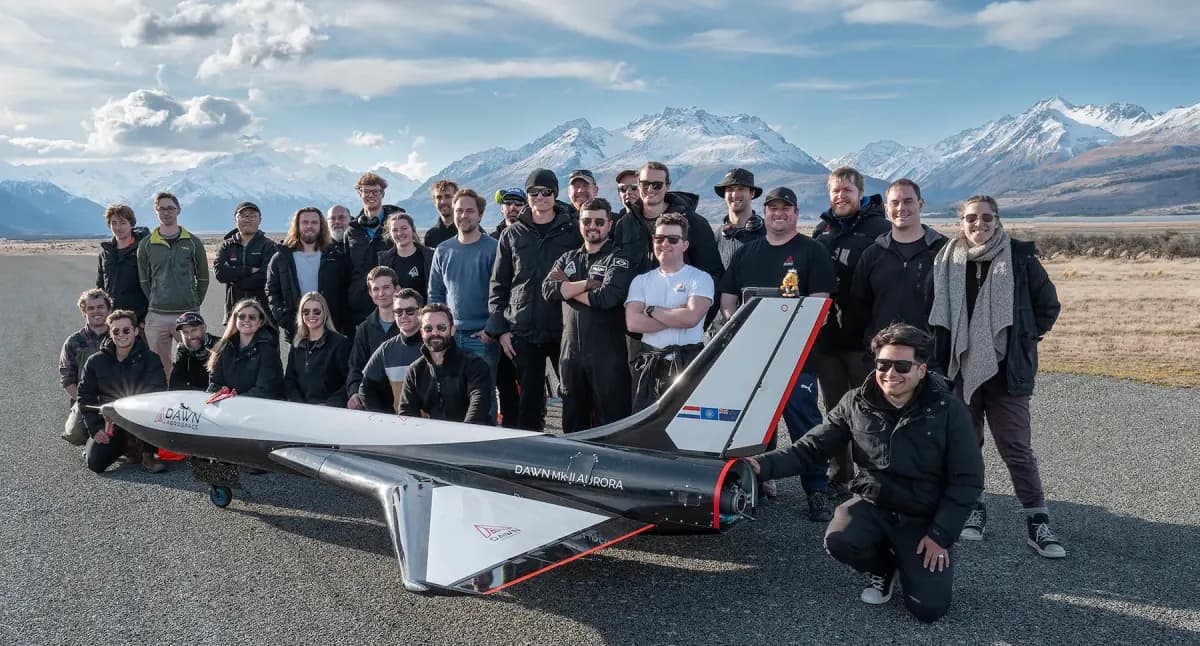
One of the companies pursuing this is Dawn Aerospace, the New Zealand– and Netherlands-based firm whose uncrewed Aurora spaceplane is designed to take off and land from a runway and fly repeatedly to the edge of space. It is a useful illustration of both the promise of spaceplanes, reuse, cadence, aircraft-like operation and the long, incremental engineering road involved in getting there.