Christchurch Aerospace Startups
It’s not obvious why a mid-sized city at the bottom of the South Island became a centre of gravity for aerospace, but Christchurch has.
It’s not obvious why one mid-sized city at the bottom of the South Island should become a centre of gravity for aerospace, but Christchurch has. A combination of clear Canterbury skies, available airspace, a dedicated flight-test facility, engineering talent and an unusually workable aviation regulator has made the region the heart of New Zealand’s aerospace sector. Christchurch aerospace, once an unlikely idea, has become a cluster with national weight.
- Canterbury aerospace: around $250 million a year and roughly 500 people.
- National space sector: $2.47 billion and about 17,000 jobs in 2023-24.
- Shared site: the Tāwhaki National Aerospace Centre on Kaitorete.
- Community: Aerospace Christchurch, running since 2018.
Why Christchurch
Several things came together. The wider Canterbury area offers open airspace and conditions well suited to flight testing. The Tāwhaki National Aerospace Centre, on the Kaitorete Spit south of the city, gives companies a dedicated launch-and-test site with special-use airspace. New Zealand’s Civil Aviation Authority has been willing to work with experimental aircraft in ways that are harder to arrange in larger markets. And the talent base, seeded partly by the country’s earlier space success, has stayed and grown. The University of Canterbury keeps the engineering pipeline full, and Aerospace Christchurch, a community group running since 2018, gives the people in it a place to meet.
The runway, the airspace and the regulator are the quiet reasons Christchurch took off.
Kea Aerospace
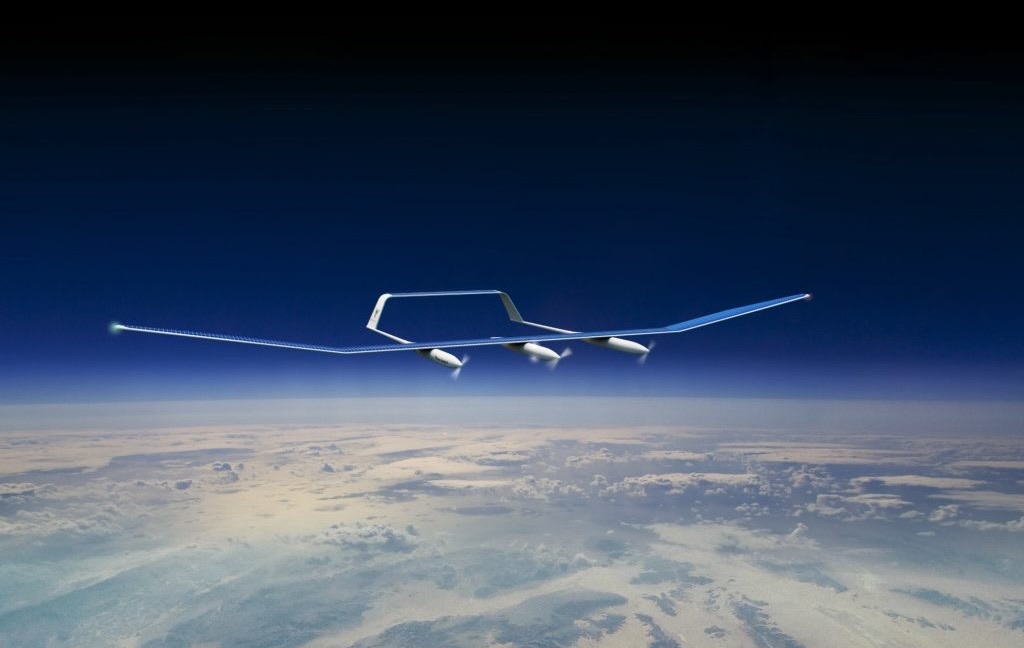
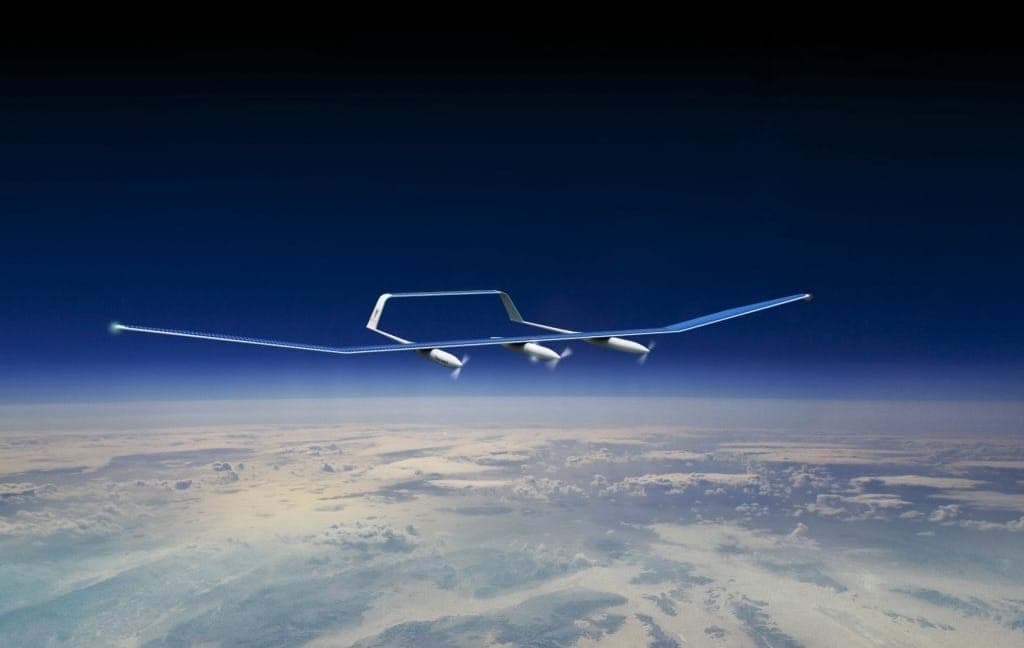
Kea Aerospace, founded in 2018 by Mark Rocket, builds the solar-powered Kea Atmos, an uncrewed aircraft designed to fly in the stratosphere for long periods, capturing high-resolution aerial imagery like a low-cost, close-up satellite. In February 2025 it flew to over 56,000 feet from Tāwhaki, a milestone for the sector. Rocket, Rocket Lab’s seed investor and a co-director in its early years, later the first New Zealander to reach space, is also president of Aerospace New Zealand, a connective figure in the local scene.
Dawn Aerospace
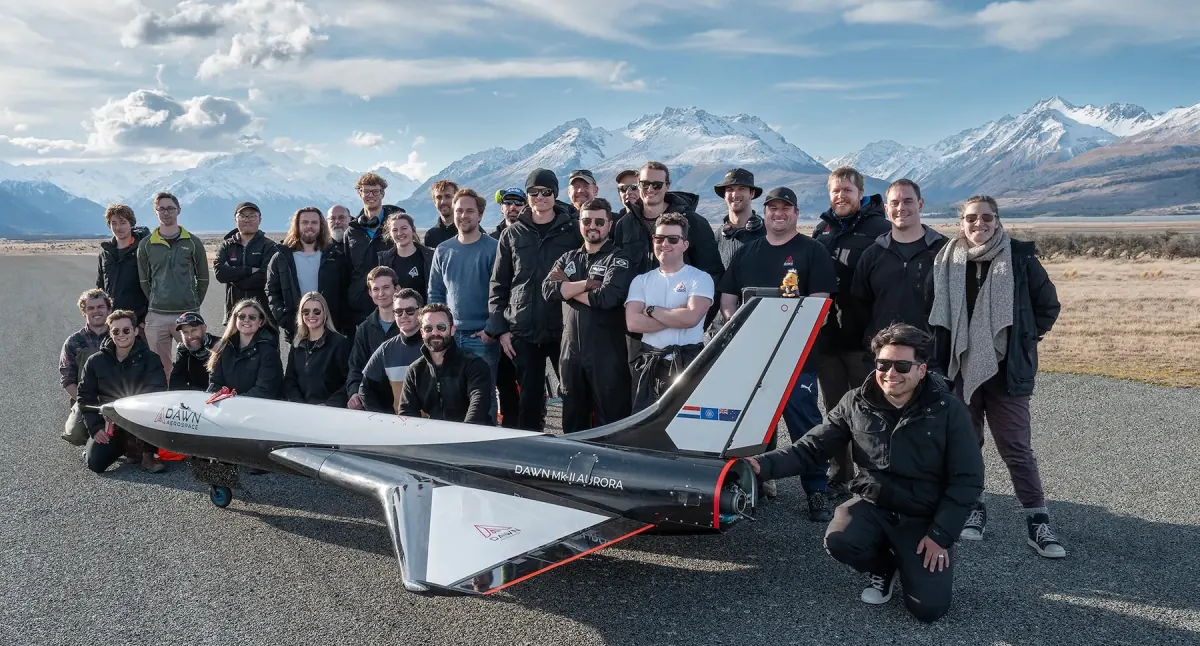
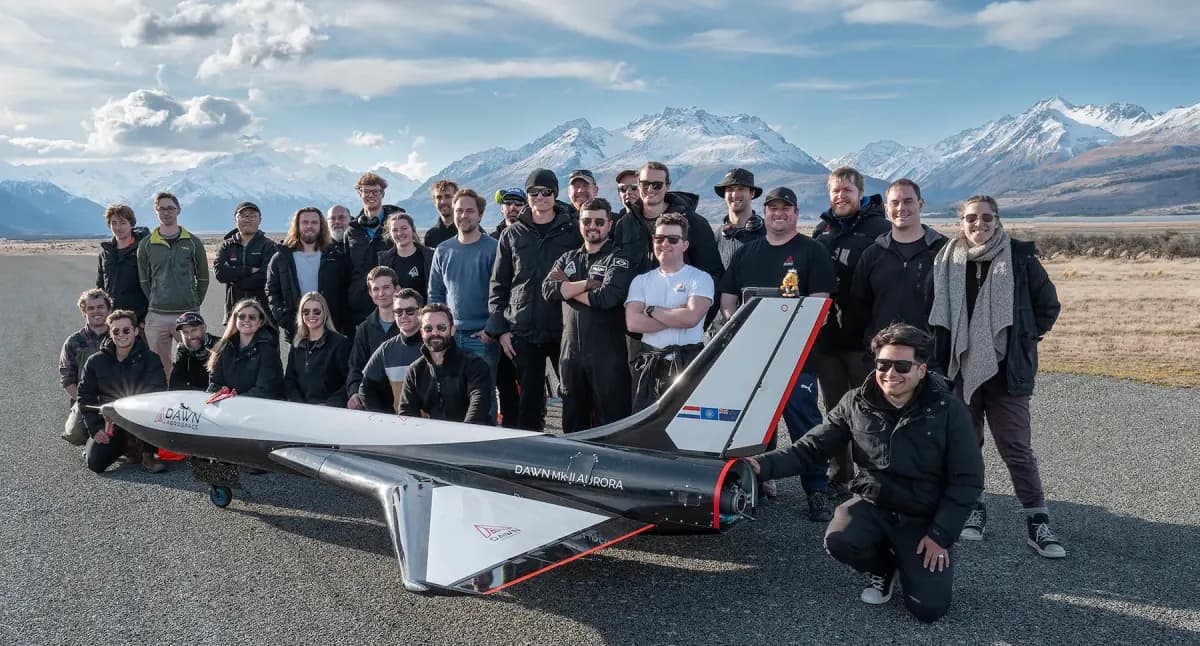
Dawn Aerospace, co-founded by Christchurch-based brothers Stefan and James Powell, builds non-toxic satellite propulsion and the reusable Aurora spaceplane, designed to take off and land from a runway and fly repeatedly toward the edge of space. Dawn is international, dual-headquartered in Christchurch and Delft, the Netherlands, but its spaceplane flight-testing is anchored in New Zealand and its certification-led approach leans on the country’s aviation system.
Beyond Kea and Dawn
The cluster runs wider than its two best-known names. Pyper Vision is tackling fog at airports, a small idea with real reach for aviation safety. Syos Aerospace builds heavy-lift uncrewed helicopters for cargo and survey work in hard-to-reach places. Astrix Astronautics works on power systems for satellites. None of them are household names, but together they are the connective tissue that turns a couple of standout companies into an actual sector.
The infrastructure: Tāwhaki
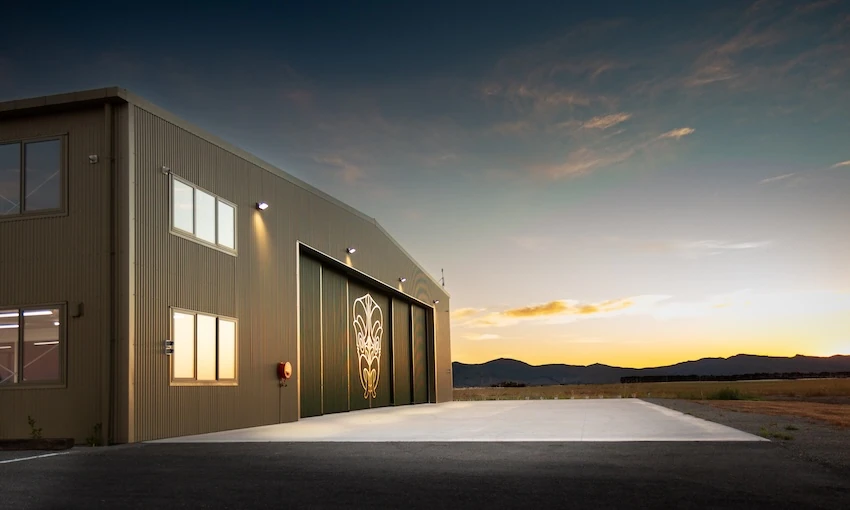
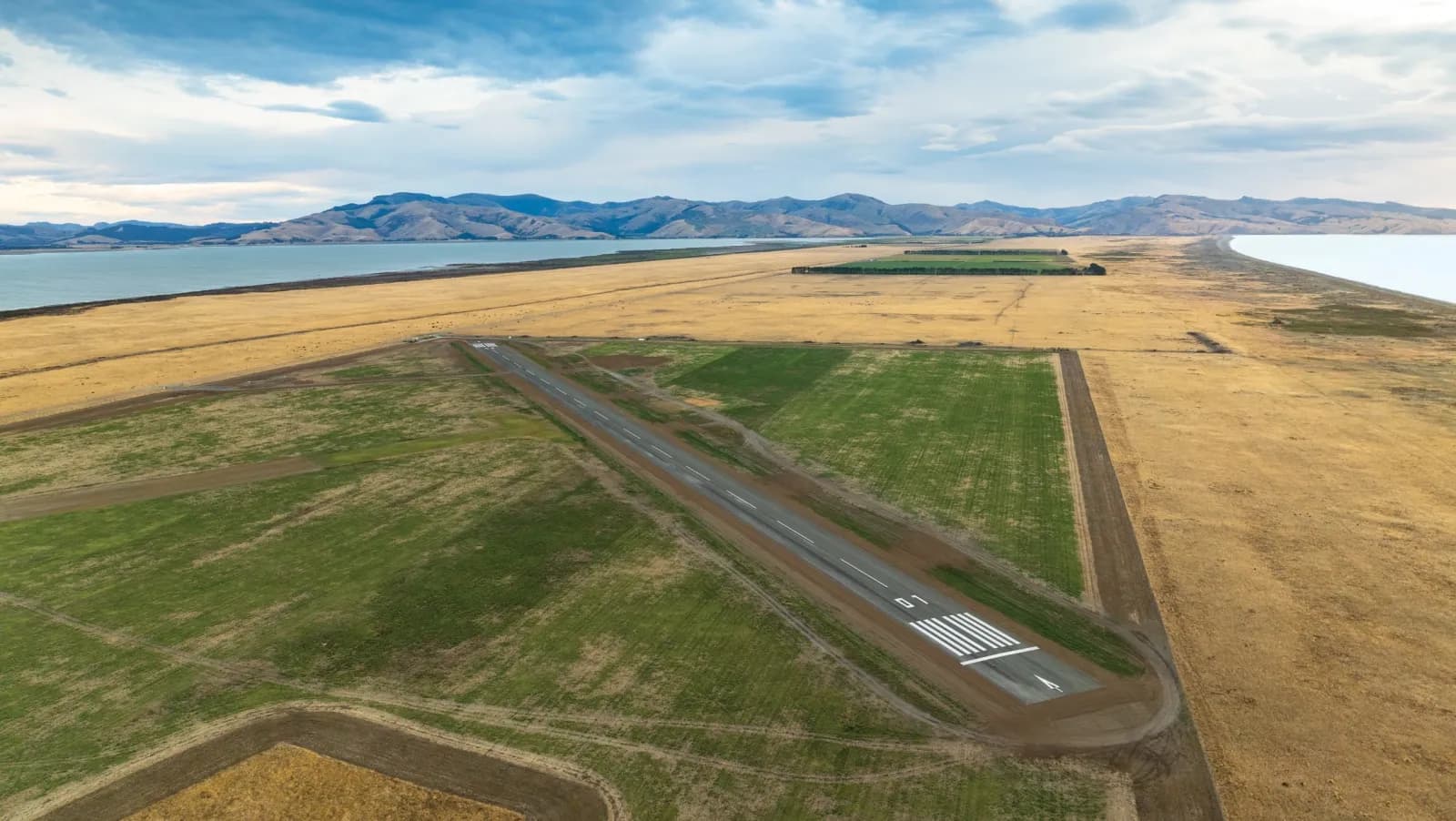
Underpinning much of this is the Tāwhaki National Aerospace Centre, a shared flight-test and launch site on Kaitorete, about 50 minutes’ drive south of Ōtautahi. The 25km strip of flat, unpopulated land sits between Te Waihora and the Pacific with open sky in every direction, the kind of conditions that tick almost every box for aerospace testing and horizontal space launch.
The site already runs a one-kilometre sealed runway alongside hangars, grass airstrips, dedicated drone areas and Special Use Airspace, the regulatory carve-out that lets experimental aircraft fly where ordinary traffic can’t. It’s a piece of national infrastructure rather than a company, and that’s a big part of why the Canterbury cluster holds together: firms like Kea and Dawn get a serious place to fly without each having to build one.
Tāwhaki is also a joint venture between two local rūnanga, Wairewa and Te Taumutu, and the Crown. Alongside the aerospace kaupapa runs a second one, restoring the whenua and its dunes, wetlands and native species. The two sit together by design: a launch site and a long-term programme to heal the land it stands on.
Rocket Lab’s New Zealand roots
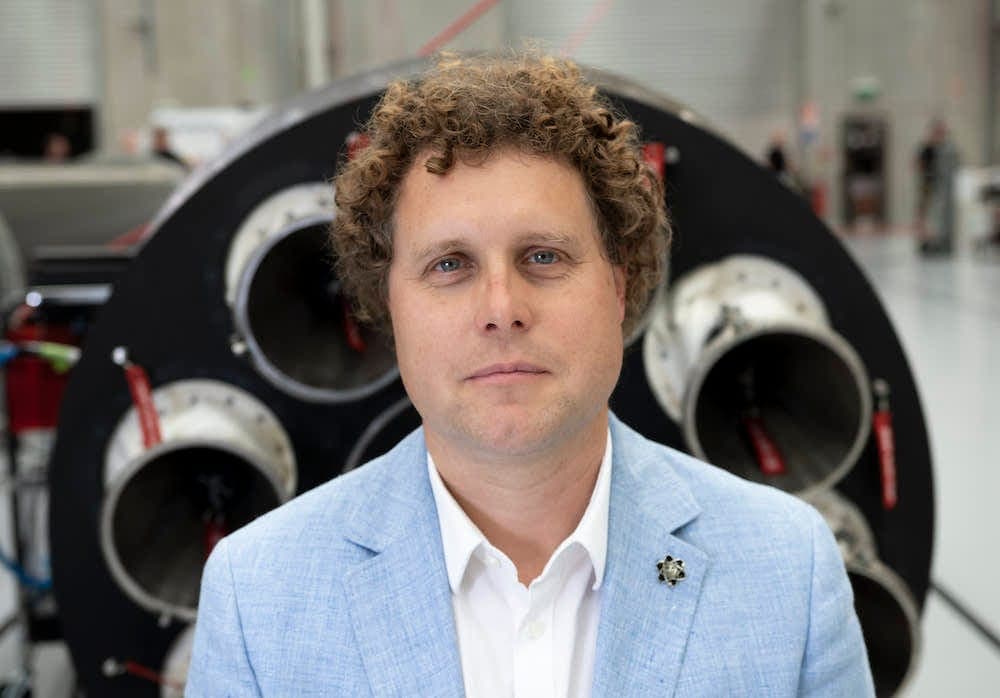
Christchurch’s aerospace credibility didn’t appear from nowhere. Rocket Lab, founded by Peter Beck, now one of the world’s significant space-launch companies, has deep New Zealand roots and several people in today’s Canterbury scene trace back to its early days, Mark Rocket among them. What’s emerged since is a genuine cluster: not one breakout company, but a set of firms, a flight-test centre and a supportive regulator, concentrated in one region.
The national picture
Christchurch isn’t working in isolation. New Zealand’s space sector was worth $2.47 billion in 2023-24 and supported about 17,000 jobs, and the government has put its weight behind it through the New Zealand Space Agency and the Aerospace Strategy 2024-2030. That national backing, plus a regulator willing to work with experimental aircraft, is part of what gives a Christchurch firm room to try things that would stall elsewhere.
Why Christchurch aerospace matters
A small country can’t do everything in aerospace, but it can build deep capability in chosen niches, stratospheric aircraft, spaceplanes, propulsion and Christchurch is where much of that is happening. It’s a reminder that clusters are built from infrastructure, talent and patient companies, not slogans.