New Zealand Agritech Companies to Watch
Meet the New Zealand agritech companies building technology for farming, livestock, sustainability and global agriculture — led by Halter.
New Zealand has an unusual advantage in agritech. Farming sits at the centre of the economy, farmers face genuine pressure to produce more with less and environmental and labour constraints are real and immediate. Put that alongside strong engineering talent and a culture of practical problem-solving and you get fertile ground for companies building technology for global agriculture, solving problems close to home, then exporting the solution.
Here are the companies worth watching, led by the current flagship.
What we looked for
The companies here share at least some of: New Zealand origin, a clear farming or agricultural-technology focus, export potential, commercial traction, a strong founder story and real technical or scientific depth.
The flagship: Halter
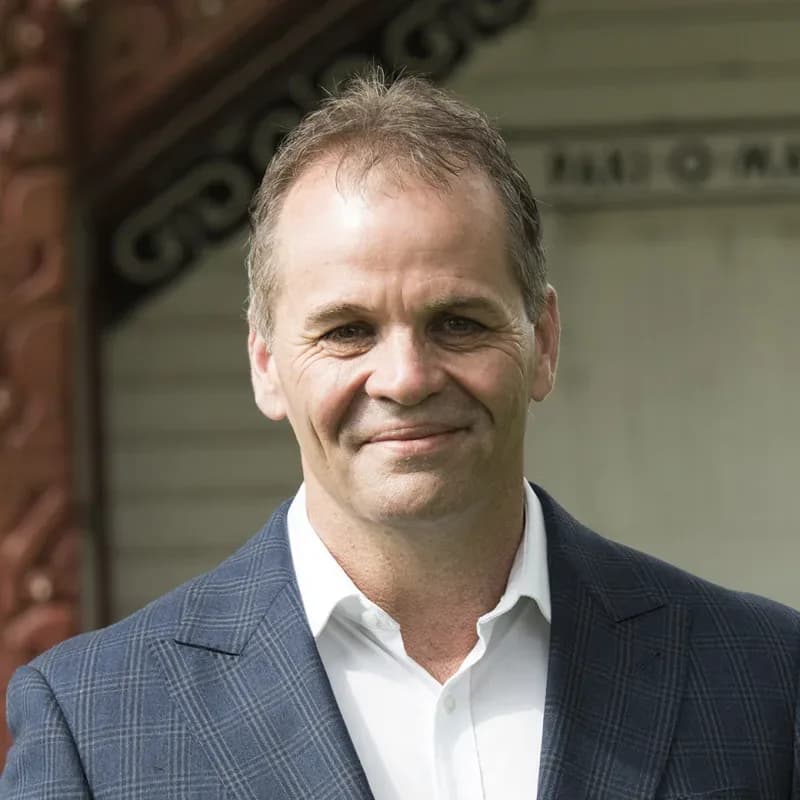
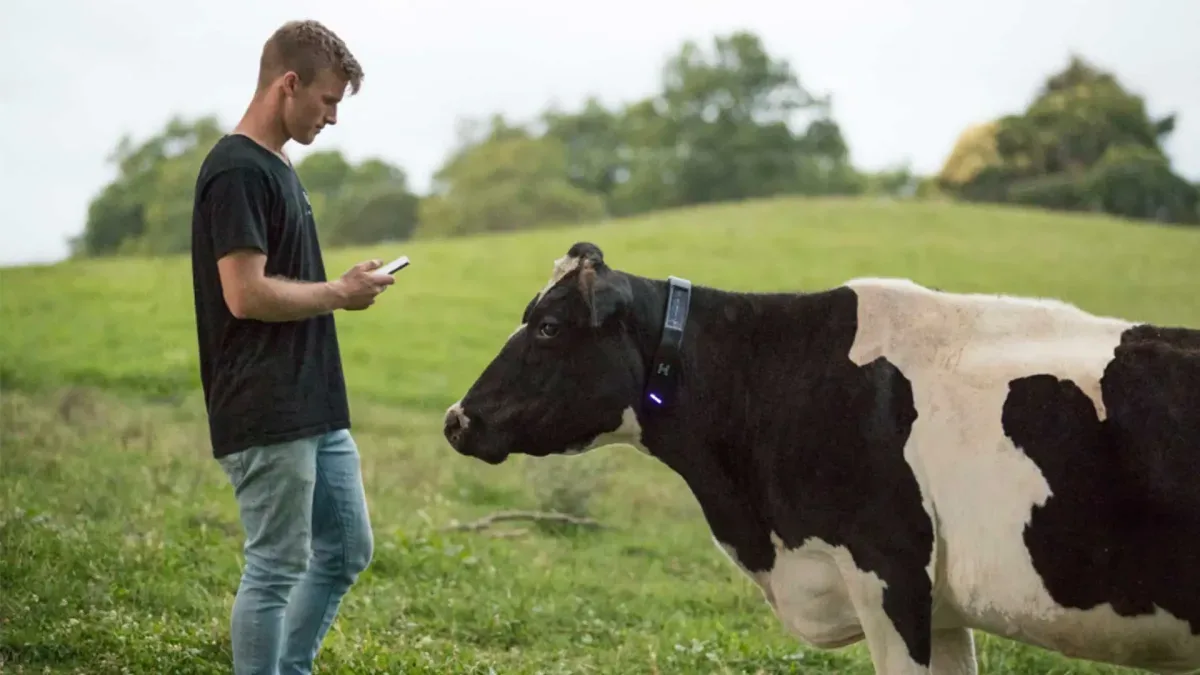
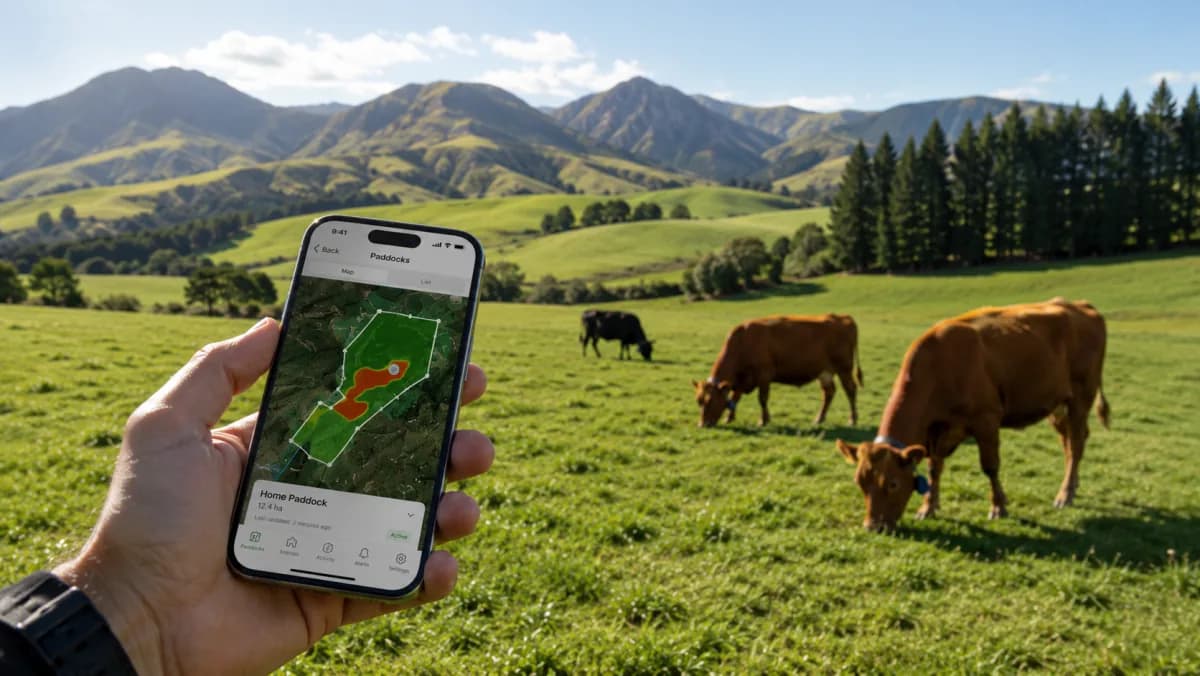
Halter, founded by Craig Piggott in 2016, is the clearest example of New Zealand agritech going global. Its solar-powered smart collars and app let farmers manage cattle movement, virtual fencing, pasture and animal health from a phone and the company has scaled across New Zealand, Australia and the United States, reaching a roughly US$2 billion valuation in 2026. It matters because it shows technology can transform a hard, physical industry that New Zealand understands deeply, the full story is in Halter: the New Zealand agritech startup changing how farmers manage livestock, and the underlying concept in What is virtual fencing?.
Others on the watchlist
New Zealand agritech is far broader than livestock, spanning robotics, biology, data, sustainability and farm software. Several companies and founders are worth following as this hub expands.
Mike Casey (Forest Lodge Orchard / Electric Cherries) is a former software founder, he sold his Sydney startup GradConnection to SEEK, who returned to New Zealand and built what is widely regarded as the world's first fully electric, zero-fossil-fuel commercial orchard near Cromwell in Central Otago. Running on more than 20 electric machines powered by on-farm solar and batteries, including New Zealand's first electric frost fans and electric tractor, the orchard has become proof that cutting emissions and rural profitability can go together. Casey has since taken that mission national as chief executive of electrification charity Rewiring Aotearoa and was named 2026 New Zealand Sustainability Leader of the Year. He also features in Noteworthy's Secrets of New Zealand's Most original Entrepreneurs.
Robotics Plus, based in Tauranga and co-founded by Steve Saunders and Alistair Scarfe, builds agricultural robotics and automation for horticulture and orchards, autonomous vehicles and machinery aimed at sectors facing acute seasonal-labour shortages.
CropX operates in soil intelligence and farm data, using sensors and agronomic software to help farmers make better irrigation and land-use decisions, with a footprint well beyond New Zealand.
BioLumic takes a science-led approach, using ultraviolet light treatments to improve crop yield and plant performance, a distinctive piece of New Zealand crop-science innovation.
Onside builds rural operations software focused on biosecurity, health and safety and visitor and property management, the less glamorous but essential workflow layer of modern farming.
Autogrow and WayBeyond work in controlled-environment agriculture and greenhouse automation, building systems and data tools for growers internationally.
Why this matters
Agritech is not one thing. It spans hardware, software, biology, robotics, data and farm-workflow tools and the common thread is that New Zealand can build globally relevant companies by solving problems it already lives with. Halter is the current flagship, but it is best understood as the leading edge of a wider New Zealand agritech wave. For the automation-specific slice of this, see New Zealand farm automation startups.