How SYSCA Built a Global Youth Media Brand From New Zealand
How SYSCA grew from a Wellington university blog into a global, social-first youth media brand — and what other media founders can learn from it.
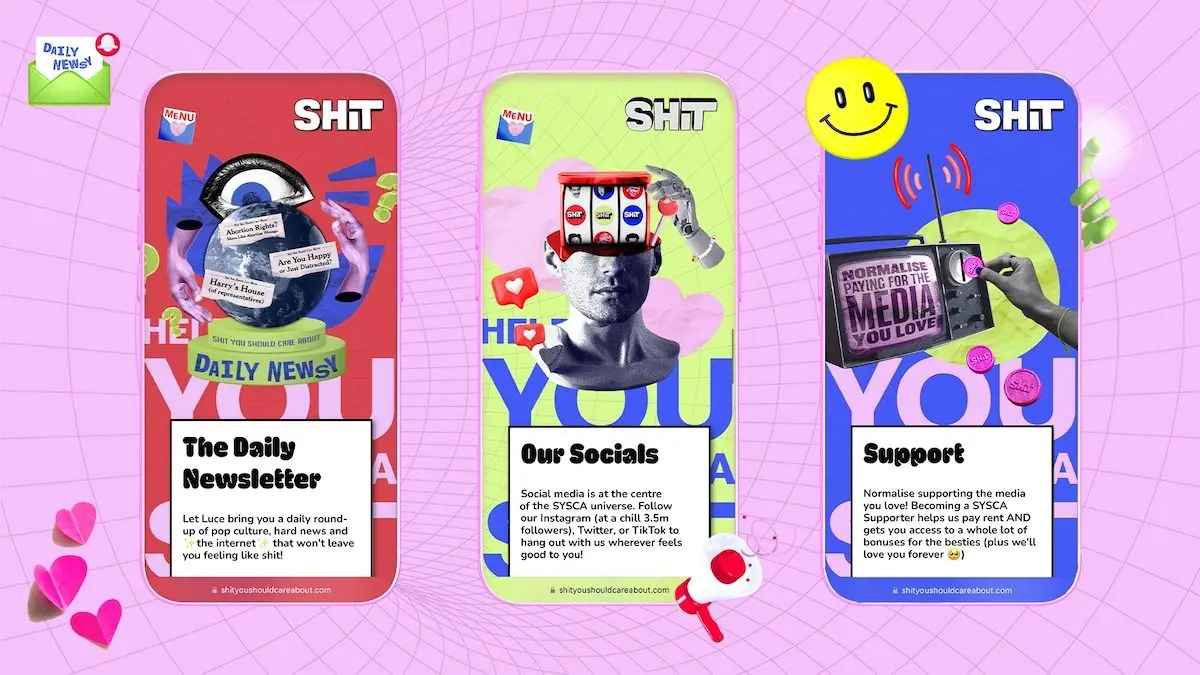
Plenty of media brands have a large social following. Far fewer have turned that following into trust. The interesting question about Shit You Should Care About is not how it got big, but how it got believed.
The short answer: SYSCA treated tone as a product feature. It was never only about what the platform covered. It was about how the coverage felt and that feeling is what readers came back for.
It understood the audience before the platform
SYSCA’s founders started from a clear read of what younger audiences actually wanted. Not dumbed-down news, but context. Clarity without condescension. Emotion and explanation in the same breath. Content shaped to fit the way people already talk and share, rather than the way a newsroom prefers to write.
In practice that looked like meeting readers where their attention already was, then respecting it. The tone assumed intelligence without assuming prior knowledge, which let a sixteen year old and a thirty year old get the same value from the same post. That width of appeal is unusual, and it came from research rather than luck.
That audience understanding came first. The platforms were just where it was delivered.
The voice was the moat
In a crowded feed, anyone can post the news. What is hard to copy is a voice. SYSCA’s was informal but not careless, clear but not cold, serious without being inaccessible, culturally aware and emotionally present. Readers could recognise it instantly and a recognisable voice, consistently delivered, is one of the most durable advantages a media brand can have.
Voice is also the hardest thing to fake. A competitor can match a posting schedule, copy a colour palette or chase the same trends within a week. What they cannot shortcut is the thousands of small editorial choices that make a brand sound like a specific person rather than a committee. SYSCA put that consistency ahead of growth, and the trust compounded from there.
Social media was part of the product, not just distribution
Many publishers treat social channels as a pipe for pushing links. SYSCA treated Instagram as part of the product itself. The format of the feed shaped the editorial format; shareability was designed in rather than hoped for. The brand spoke the native language of the platform without letting that flatten the substance of what it was saying.
That meant treating each post as a finished thing rather than a teaser for a click. A SYSCA tile could be read, understood and shared without ever leaving the app, and the link, when it came, felt like an invitation rather than a toll gate.
It expanded beyond the feed
Crucially, SYSCA did not stay dependent on a single channel. It grew into newsletters, podcasts, a book and partnerships, each one giving the brand more direct ownership of its audience and less exposure to the swings of algorithmic reach. Owning the relationship, rather than renting it from a platform, is what turns a popular account into a media company.
Diversifying also changed the risk profile of the whole business. A single algorithm change can erase a channel-dependent brand overnight. By spreading across newsletters, audio and print, SYSCA made itself harder to switch off and easier to find.
Trust came before the money
The order mattered. SYSCA built an audience that believed it first, then worked out how to make that sustainable. Brand partnerships, a book and paid products arrived after the relationship was already real, not as the thing holding it up. That sequence is easy to admire and hard to copy, because it asks a founder to be patient with revenue while the voice does its slow work. The payoff is a readership that does not feel sold to, which is the rarest thing in a feed full of sponsored everything.
It had a clear enemy
Not a person, a problem. SYSCA defined itself against inaccessible news, institutional distance, information overwhelm and content that either assumes too much or informs too little. Having a clear enemy gave the brand a clear purpose and gave readers a reason to choose it over the alternatives.
What founders can take from it
The SYSCA playbook is not unique to media. Choose a specific audience and understand it deeply. Make the tone recognisable and keep it consistent. Build trust before monetisation. Treat each content format as its own product. Use community feedback as live strategy. And expand into new channels only once the voice is already working, not as a substitute for finding it.
Why it matters
SYSCA is as much a brand-building story as a media one. It shows how a New Zealand company can build global relevance not by outspending larger competitors, but by understanding attention better than they do. That is a lesson with a far wider reach than publishing.
It is one example of a broader shift, which is the subject of New Zealand media founders to watch.
Sources: Capsule · The Spinoff · Embedded