Kea Aerospace: The New Zealand Company Building Aircraft for the Stratosphere
There’s a gap in how we observe the Earth from above. Satellites are powerful but expensive, locked to their orbits and can’t linger over one spot..
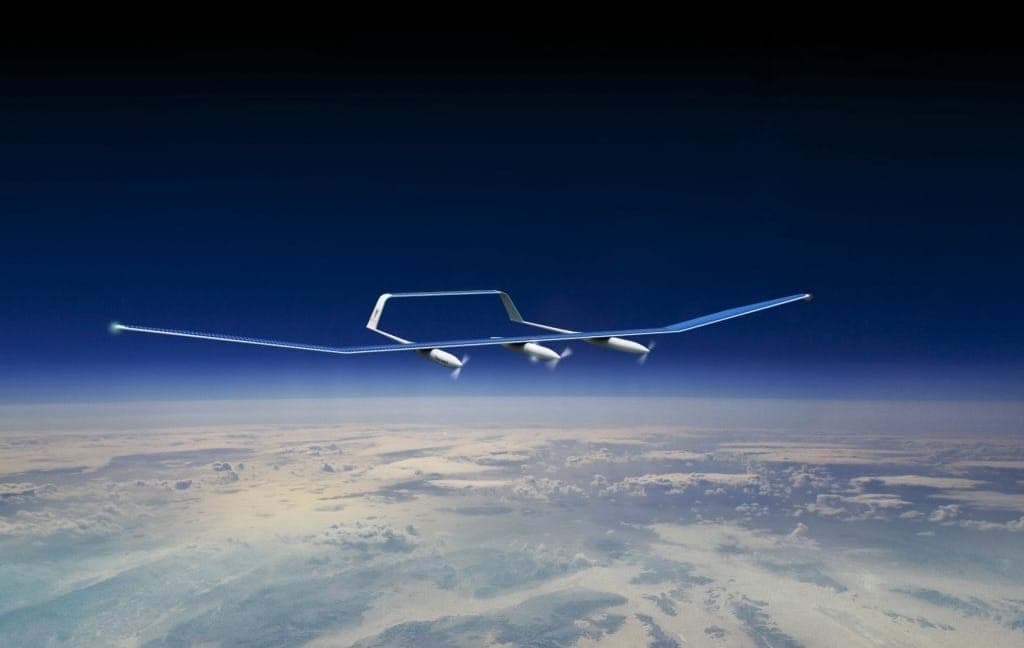
Somewhere above 50,000 feet, above the weather, the jet stream and ordinary air traffic, there’s a band of calm, thin air where a solar aircraft can, in principle, stay aloft almost indefinitely. Kea Aerospace wants to park aircraft up there not as an end in itself, but to sell what they can see: persistent, high-resolution imagery of the Earth below.
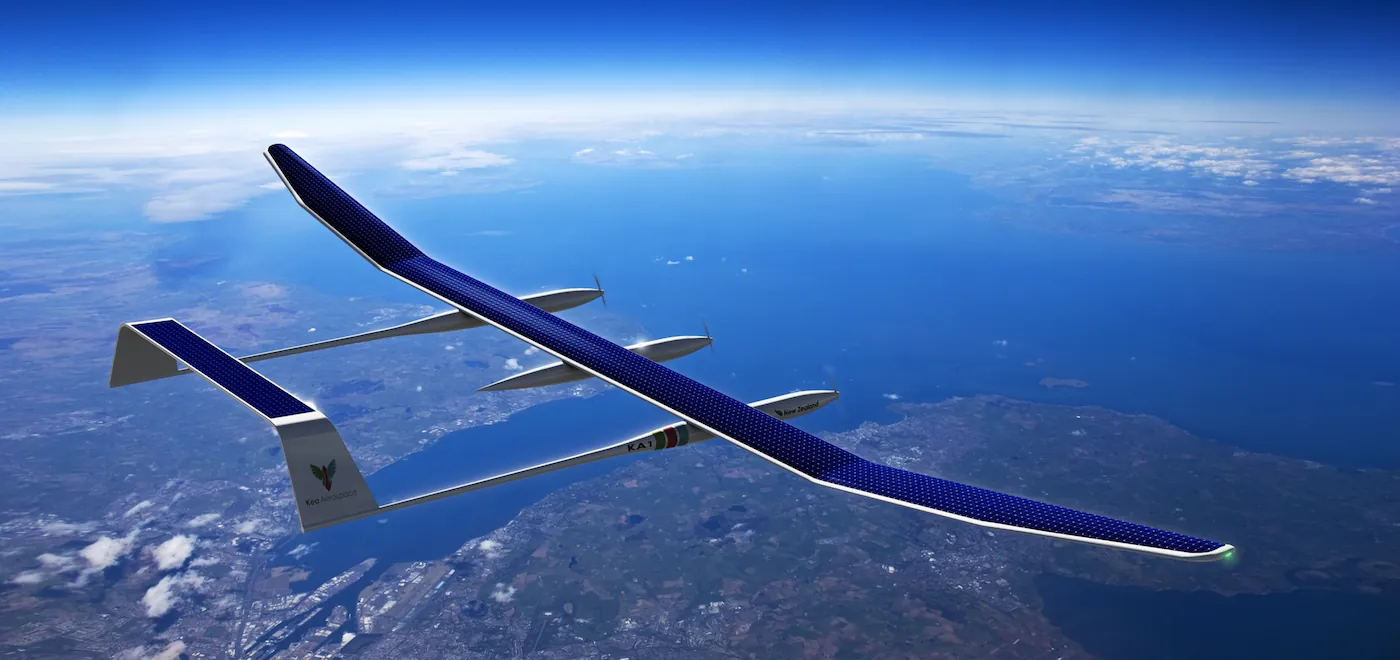
Founded in Christchurch in 2018 by Mark Rocket, Kea is building the Kea Atmos, a solar-powered, uncrewed stratospheric aircraft, but it’s better understood as an aerial-data company than an aircraft company. The plane is the means; the product is the imagery and the data pipeline around it. Kea describes its ambition as owning the whole chain, from capturing the images to processing and delivering the intelligence. The aircraft is often called a cross between a satellite and a plane and that hybrid is the point: satellite-like coverage, aircraft-like cost and flexibility.
The problem it’s solving
There’s a gap in how we observe the Earth from above. Satellites are powerful but expensive, locked to their orbits and can’t linger over one spot. Conventional aircraft and drones are flexible but can’t stay up for long. Balloons drift where the wind takes them. Kea’s bet is that a steerable, solar-powered aircraft parked in the stratosphere can fill that gap, persistent, high-resolution coverage of a chosen area, at far lower cost than a satellite, for things like environmental monitoring, coastal and maritime awareness, precision agriculture and disaster response.
The Kea Atmos
The current aircraft, the Kea Atmos Mk1, has a 12.5-metre wingspan but weighs under 40 kilograms, an extraordinary ratio that’s central to the engineering challenge: it has to be light enough to fly on solar power in air with a tenth of the density at sea level, yet tough enough to handle jet-stream winds and temperatures around −50°C. It runs entirely on solar energy, so there’s no fuel to carry or burn. The planned Mk2 is a much larger aircraft, a roughly 30-metre wingspan, engineered for the real goal: multi-month, near-perpetual flight.
The milestone
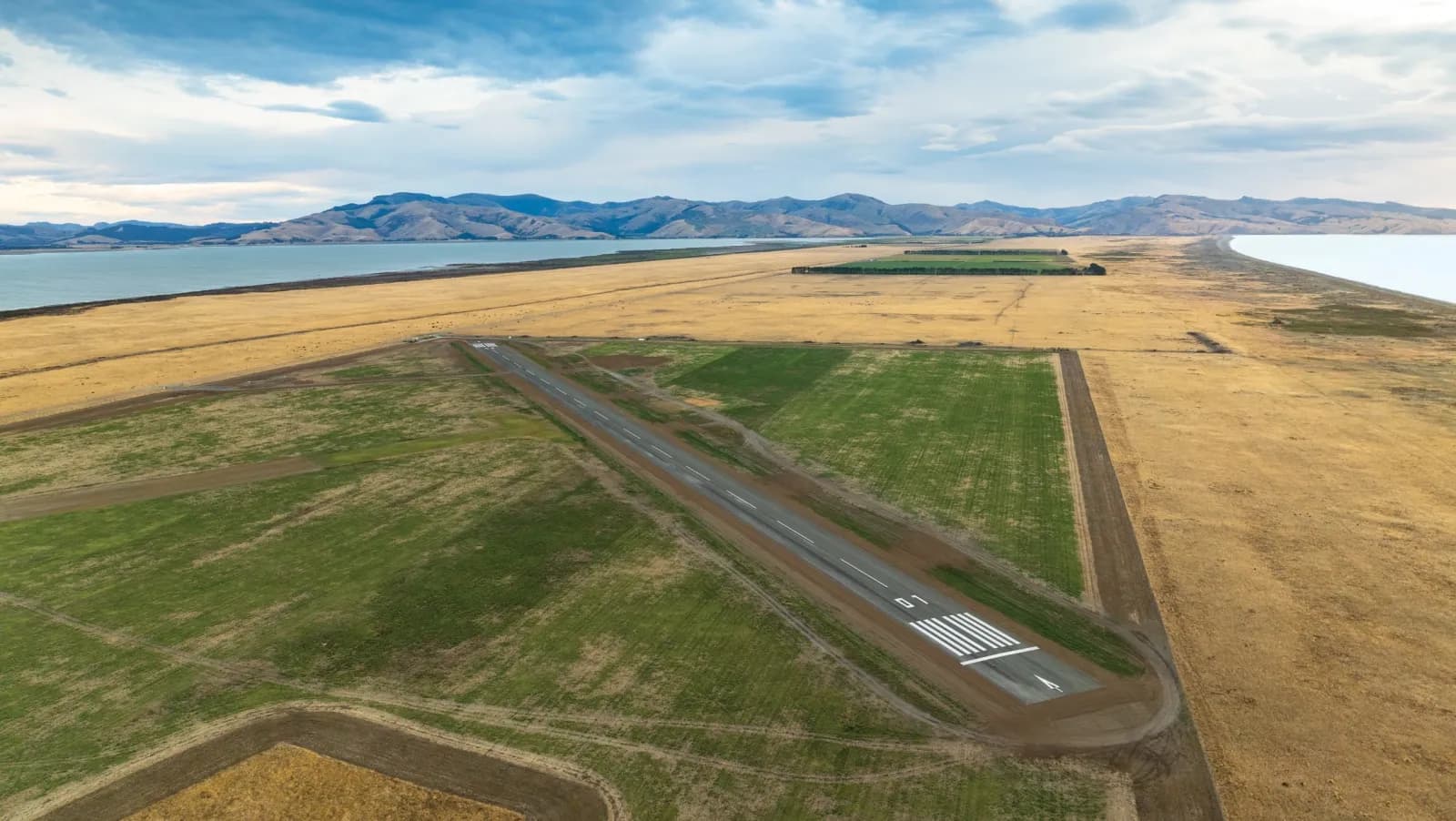
In February 2025, Kea’s Atmos Mk1b flew to over 56,000 feet from the Tāwhaki National Aerospace Centre near Christchurch, by the company’s account the first solar-powered aircraft designed and built in the Southern Hemisphere to reach the stratosphere. The flight lasted more than eight hours and covered 420 kilometres. It put Kea among a small group of companies worldwide developing this class of aircraft and gave it a platform to pursue commercial and government customers.
Traction and partners
Kea is still in a development-and-early-commercial phase, honest about the distance between a one-day stratospheric test and a months-long operational service. But the signals are real: a partnership with NASA’s Ames Research Center to trial a hyperspectral camera for monitoring New Zealand’s coastal waters; government research funding, including an MBIE Endeavour grant toward Antarctic atmospheric flights; a battery collaboration with Li-S Energy for the Mk2; and a capital raise underway to fund it. The company has been consistently supported by New Zealand’s aerospace infrastructure, Tāwhaki, the Civil Aviation Authority, Airways, the NZ Space Agency and MBIE.
Why it matters
The temptation is to file Kea under “cool New Zealand aircraft,” but its real category is geospatial data and that’s the more interesting bet. If a solar aircraft can hold position in the stratosphere for weeks, it competes less with other planes than with imaging satellites: similar coverage, far higher resolution, far lower cost and the ability to linger over one place and come back down for an upgrade. That reframes Kea from an aerospace curiosity into a potential player in the large, growing market for Earth-observation data, built, unusually, from Christchurch. It’s also a marker of how deep the Christchurch aerospace sector has become and how far New Zealand space has spread beyond launch. The underlying technology is explained in What is a high-altitude platform station?.