The most interesting thing about Halter is not the collar. It is what the collar represents: software logic arriving in one of the least digitised corners of the economy. Livestock farming has always been physical, manual and bound by fixed infrastructure. Halter's bet is that it can be run more like a connected system and that bet is what makes the company strategically interesting, well beyond the hardware.
The old model
Traditionally, a livestock farm runs on physical constraints. Animals are moved by hand. Fences are fixed in place, so grazing patterns are hard to change. Decisions about pasture and animal health rely on a farmer physically being there to observe. The farm's "operating system" is the farmer's own time, legs and memory, which puts a hard ceiling on how much land and how many animals one person can manage well.
The shift
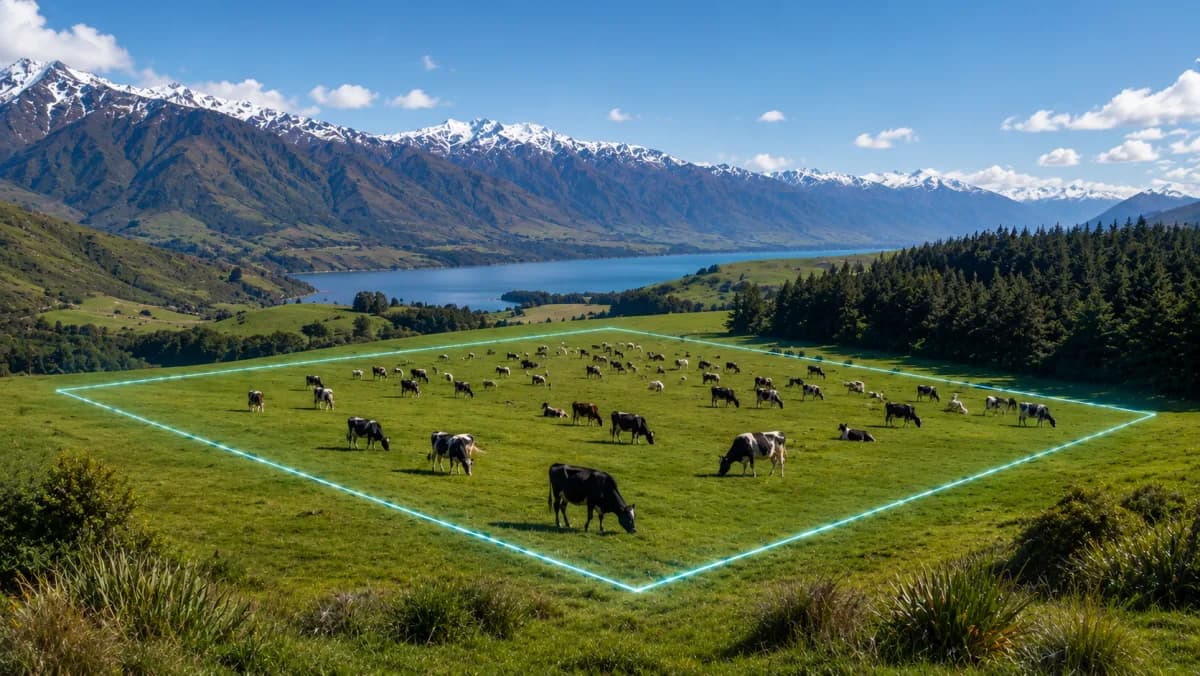
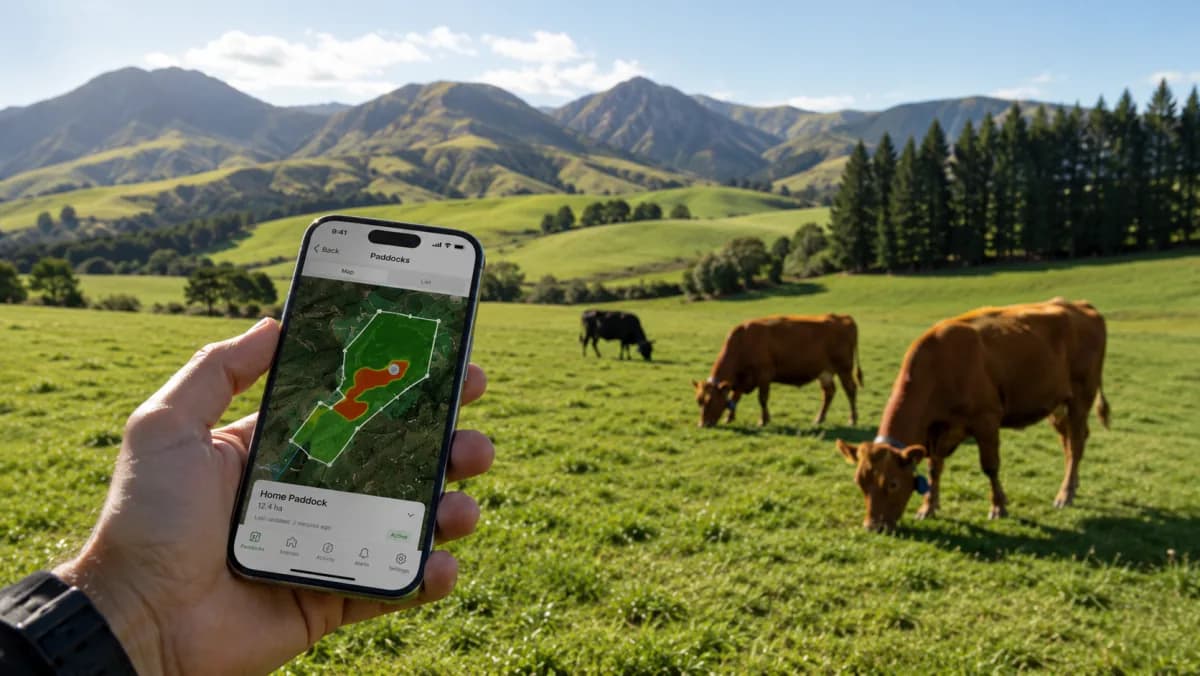
Halter replaces the fixed fence with a virtual one and the manual check with continuous data. Because the collar is always on, it doesn't just move animals; it builds a live picture of the herd, activity, health, behaviour, fertility cycles. The farm becomes something a farmer can see and adjust remotely, in close to real time. Decisions that once required a drive around the property can be made from a phone. That is the difference between a tool and a platform: the collar is the way in, but the value compounds in the software and the data.
Why it is more than hardware
This is the distinction that matters for understanding the business. A hardware company sells a device once. A software-enabled platform deepens over time: it improves with updates, accumulates data and adds new capabilities to the same installed base. Halter has moved through several generations of hardware while continuously shipping new software features, extending from virtual fencing into pasture optimisation and animal-health and reproduction tools, to the collars farmers already own. The product a farmer uses today is materially different from the one they bought a year ago, without buying anything new. The animal-behaviour dataset behind it, built across hundreds of thousands of animals, is hard for a competitor to replicate.
Why investors pay attention
That structure is what sits behind Halter's funding and its roughly US$2 billion valuation: recurring revenue, a large and global addressable market in dairy and beef, high retention and a product that gets stickier as it learns. The capital is a consequence of the model, not the story itself. The story is that Halter is digitising a category most software has never touched.
What it means for farming
The framing matters. This is not about replacing farmers; it is about lifting the ceiling on what one farmer can manage well and giving better information to the people doing work that already matters. Done right, software-enabled farming means more productive use of land, earlier signals on animal health and time given back to people under real labour pressure.
Halter is the clearest New Zealand example of the shift, but it sits within a broader category, see New Zealand agritech companies to watch and the technology primer in What is virtual fencing?.