The Sharing Economy in New Zealand: Mutu and What Came Next
New Zealand has one of the highest waste rates in the world. Kiwi businesses like Mutu, Designer Wardrobe, and Mevo are building a different model.
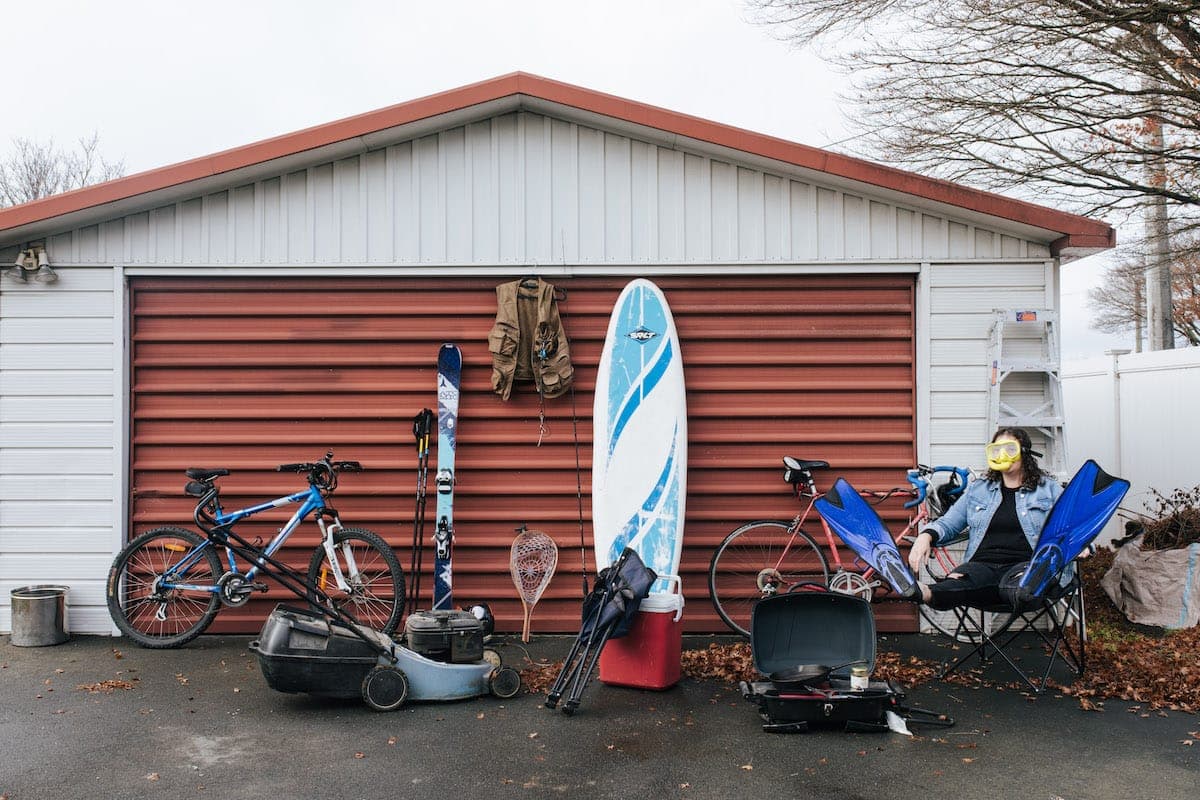
New Zealand discards an estimated 15.5 million metric tonnes of waste per year, roughly 3,200 kg per person, One of the highest rates in the world. Only 28% of it is recycled. The rest goes to landfill.
Much of what we throw away still works. Electronics become outdated within a year. Clothes fall apart by the end of a season. Appliance parts become obsolete, forcing replacement instead of repair. The result is a cycle of buying, barely using and discarding.
The sharing economy alternative
The sharing economy has been growing in response to this for over a decade, with services like Uber and Airbnb at the forefront. The core idea is straightforward: a peer-to-peer model that lets people put underutilised assets to use while giving others access to things they need without buying them outright.
Collaborative consumption takes this further. Rather than just sharing one type of asset, it aims to Rethink ownership itself, promoting renting, lending, swapping, sharing and bartering as alternatives to buying new. The logic is simple: why invest in something you will use once? Why fill your garage with tools you could borrow when you need them?
Mutu: the Kiwi-built rental marketplace
Several New Zealand businesses have built on this idea. Designer Wardrobe is an online marketplace for buying and selling pre-loved fashion. Mevo runs a car-sharing fleet of plug-in vehicles that can be picked up or dropped off at any park around Wellington.
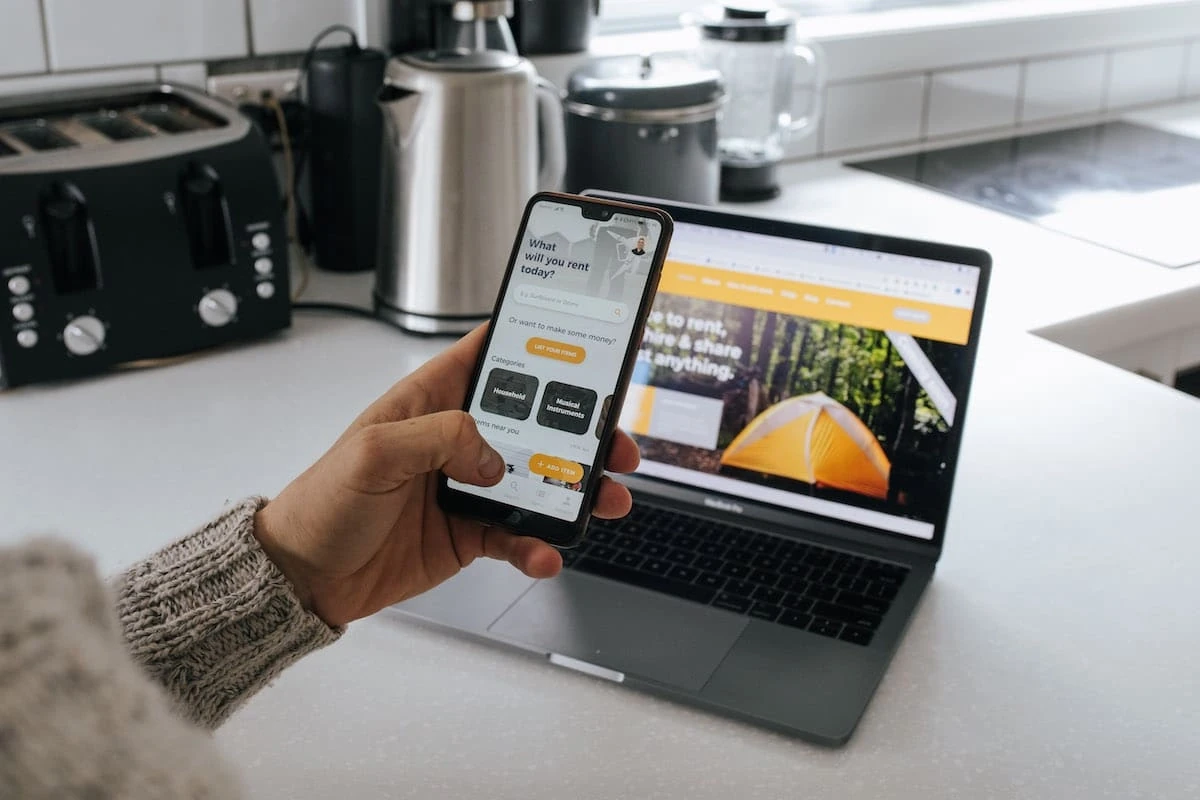
Then there is Mutu, a rental marketplace where you can rent, lend, hire and share almost anything. Sports gear, DIY tools, bicycles, clothing, kitchen appliances, vehicles, Mutu connects people who have things with people who need them, searchable by location, availability and budget.
Founded in 2019 by Christchurch-based entrepreneur Toby Skilton, Mutu grew out of a simple observation made while couch-surfing around the world: people everywhere had perfectly good gear sitting unused. Instead of leaving it to collect dust, they could earn money lending it out. Skilton assembled a team and built a secure platform with verified profiles and safe payments to make it work.
Mutu is free to use and available nationwide on both Apple and Android devices.
Why it matters
With Consumer spending continuing to rise year-on-year and waste volumes projected to double with population growth, the status quo is not sustainable. Businesses like Mutu, Designer Wardrobe and Mevo are not just offering a cheaper alternative to buying, they are building the infrastructure for a less wasteful economy.
For more on NZ businesses leading on sustainability, see our guide to Sustainable brands in New Zealand.