5 NZ Businesses That Adapted and Thrived During COVID-19
Five New Zealand businesses that turned the COVID-19 pandemic into a reason to innovate — from Countdown’s 300% online surge to a brewery making hand sanitiser.
The COVID-19 pandemic tested every business in New Zealand. Some folded. Others adapted in ways that changed their trajectory permanently. These five stories, from a supermarket chain that rebuilt its entire online operation in weeks, to a husband-and-wife science team that pivoted overnight, show what resilience actually looks like when the rules change without warning.
1. Countdown: 300% online surge, managed in weeks
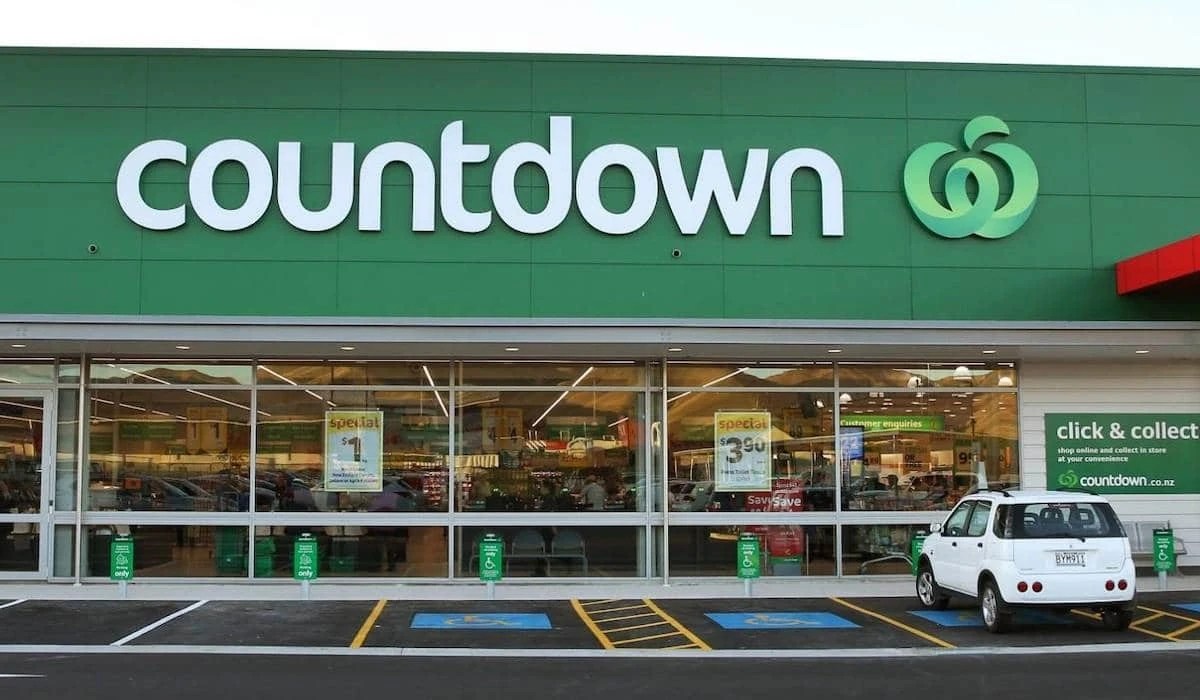
As an essential service, Countdown faced a 300% surge in online shopping demand almost overnight. The company opened New Zealand’s first dedicated online-only store in Auckland and converted five other supermarkets to “dark stores” servicing only online orders. They added 60 new trucks to their delivery fleet and hired 2,500 new team members in a matter of weeks.
“When we knew something big was happening and that it would be tough for many, we took a ‘people first’ approach to everything. Our roots are as a grocer, we exist to serve our communities.”
Steve James, Head of Technology and Customer Care
The digital team also built Olive, a customer service chatbot that handled over 300,000 conversations and launched a Priority Assistance service for older and at-risk customers. Countdown’s response was recognised at the NZ CIO Awards, and Acting Managing Director Sally Copland was named New Zealand CIO of the Year.
2. OP Creative: redundancy turned into a business

Olivia Peterson was 23 when she was made redundant during the pandemic. Instead of looking for another job, she started OP Creative, a web design and photography business built entirely through word of mouth from her local network.
“I look back and I’m grateful I was made redundant because this would never have happened. I’m finally doing what I like, every day I wake up and I’m excited.”
Olivia Peterson, Founder, OP Creative
Her story is one that played out across New Zealand during 2020, people forced out of employment who discovered they could build something of their own. Many of the Small businesses in our ideas guide follow the same pattern: low startup costs, a specific skill and a willingness to start before everything is perfect.
3. Good George Brewery: beer to hand sanitiser
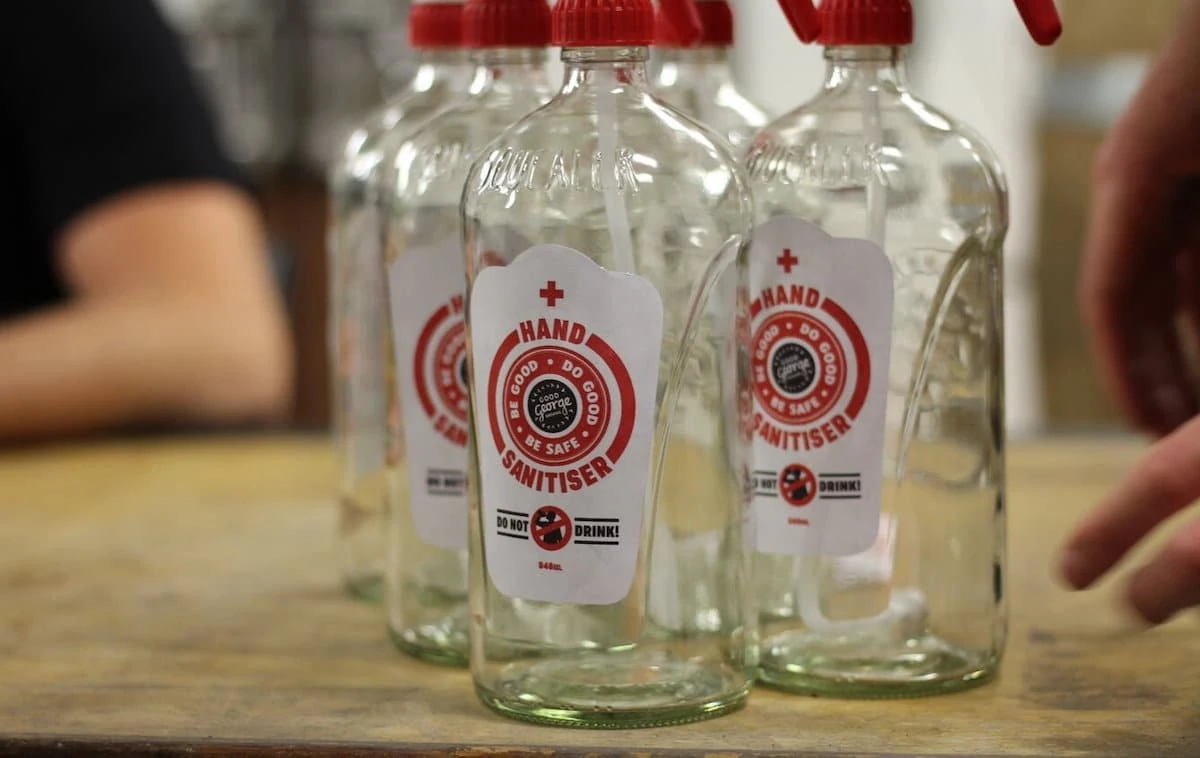
Hamilton-based Good George was already experimenting with gin and spirits when the pandemic created a nationwide hand sanitiser shortage. Within days, the brewery switched its distillery to producing 1,000 litres of sanitiser. The first batch was given away free to staff, pub customers and locals in Hamilton who needed it.
When alert levels dropped, Good George kept innovating. They partnered with Winter Gardenz to install five glass greenhouses at their Auckland North Wharf bar, protecting patrons from the elements and each other and launched an app-based ordering system so customers could order drinks without crowding the bar. The brewery turned constraints into reasons to try things they might never have attempted otherwise.
4. Nanogirl Labs: live shows to online science for a day
Joe Davis and Dr Michelle Dickinson built Nanogirl Labs around live science shows and in-school experiences. When the pandemic hit, every booking cancelled. Their entire revenue disappeared.
“I looked at our staff, I looked at my husband and business co-founder and we knew there was a big decision to be made: accept defeat and wind the business up or fight for something we believed in.”
Michelle Dickinson, Co-Founder, Nanogirl Labs
Within days they pivoted to an online science curriculum for kids, a new adventure every day through lockdown, priced at per day. As a social enterprise, they kept their “buy one give one” model so families who could not afford it could still participate. The pivot worked: they Hired new staff and launched school holiday programmes. Dickinson later reflected that the pandemic pushed them to do something they should have done a year earlier.
5. Krishna Botica and Tony McGeorge: putting their house on the line
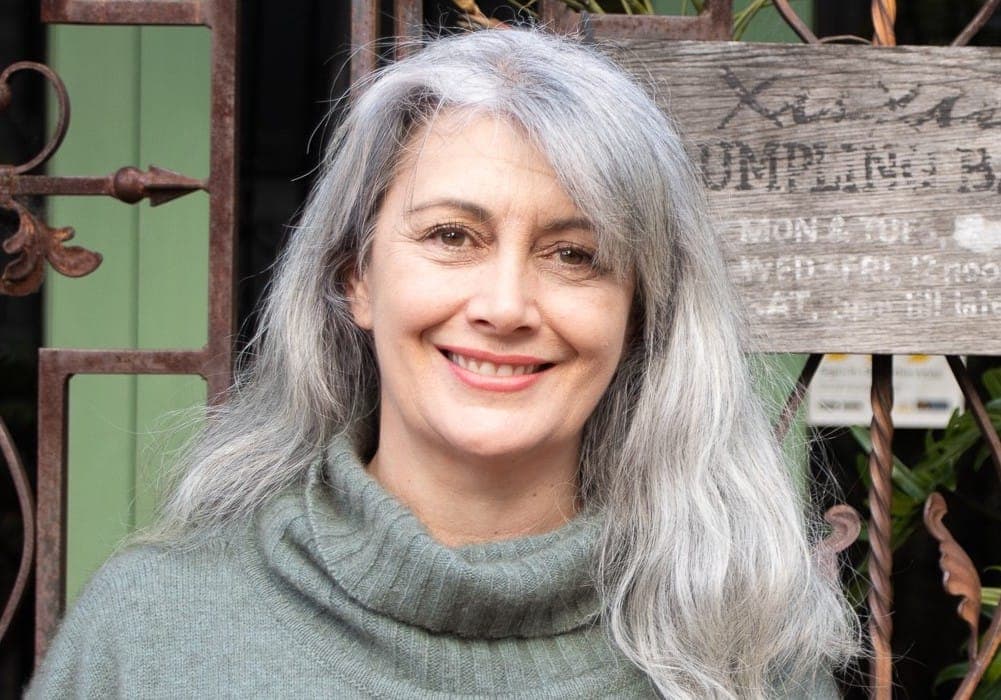
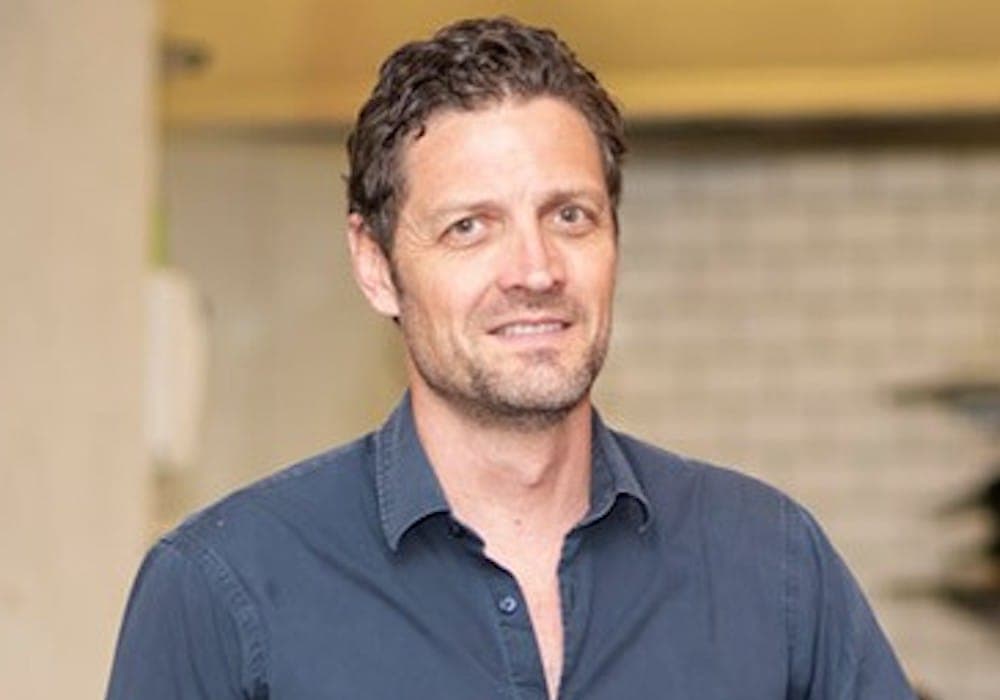
The hospitality industry was hit harder than most. Krishna Botica and Tony McGeorge, owners of three Auckland restaurants, Cafe Hanoi, Saan and Xuxu Dumpling Bar, put their own house up for rent to keep the businesses running and their staff employed.
When restaurants reopened, they introduced mandatory masks and random COVID testing for staff before either became a government requirement. The Restaurant Association created a new award to recognise businesses that stepped up during the pandemic, citing Botica and McGeorge as examples of managing the “new normal” with integrity.
What these stories share
None of these businesses had a pandemic plan. What they had was the ability to move quickly, prioritise people and treat constraints as a reason to try something new rather than a reason to stop. That pattern, adapt fast, protect your team and build from whatever you have — applies well beyond a pandemic.
For more stories of NZ founders who built through adversity, browse our People profiles or read about the Myths of entrepreneurship challenged by real Kiwi founders.