Aid That Cannot Wait: From a Grey Lynn Bedroom to Two Million People
He left investment banking for the world’s war zones, then built a charity to go where the big agencies would not. Mike Seawright on twelve years of getting help to people fast.
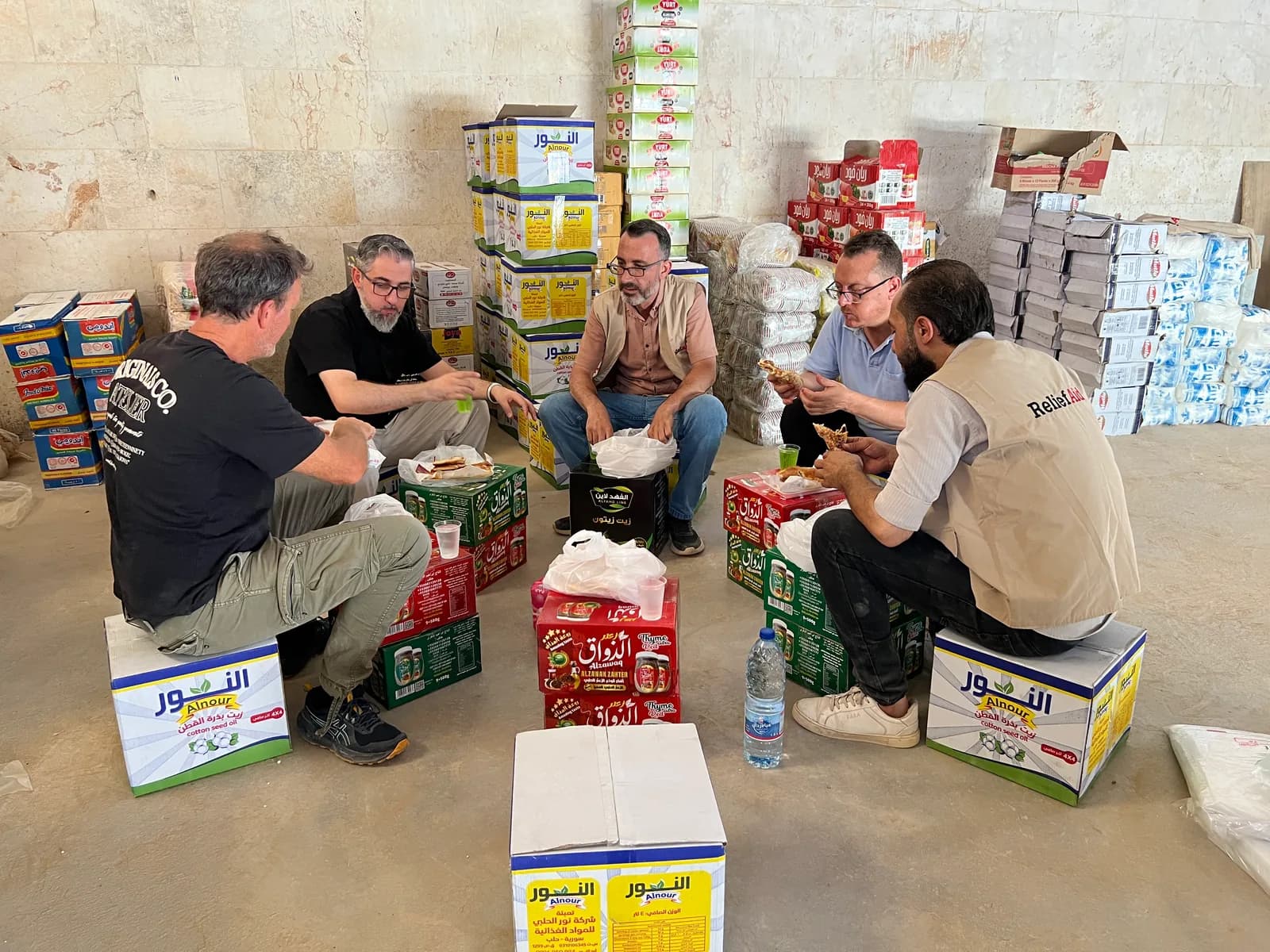
Mike Seawright started ReliefAid in a bedroom in Grey Lynn. Its first aid distribution, in 2015, reached 1,800 people. A little over a decade on, the charity he founded has passed two million.
ReliefAid delivers food, water and shelter to families caught in the crossfire of war, in the places most aid organisations will not go: Gaza, Ukraine, Syria, Afghanistan and Lebanon. That is the whole idea, and it started with a question Seawright asked himself more than twenty years ago, long before the charity existed.
The Deathbed Question
Two decades ago Seawright was in the commercial world: investment banking, then telecoms. The chance came up to move into aid work in Sudan, and before he took it he let himself think about the end of his life.
“On my deathbed, what would I have achieved? I was earning lots of money, had lots of toys and, frankly, was having lots of fun. But I knew this was helping no one but myself.”
Mike Seawright, founder and executive director, ReliefAid
He took the job. A week later he was in the middle of Sudan, running medical clinics, vaccination teams and borehole drilling, his small team of five grown to 250. It was, as he puts it, quite the eye-opener. Over the years that followed he worked for other aid organisations and spent time as a diplomat managing New Zealand’s aid programme to Afghanistan. He specialised in the hardest places, the front-line regions where he saw the same gap again and again: aid organisations were either unable or unwilling to work where help was needed most.
So in late 2014 he founded ReliefAid to fill it. The office was his bedroom in Grey Lynn, and it stayed that way for years until partners such as Icehouse Ventures offered space pro bono, so that donations went towards aid rather than overheads.
Aid That Cannot Wait
The tagline means two things. Families caught in war need help, and they need it now. When a war starts, Seawright wants his teams in fast. He was in Ukraine himself within days of the war starting. In Gaza and Afghanistan, ReliefAid set up and had food in family hands inside three days.
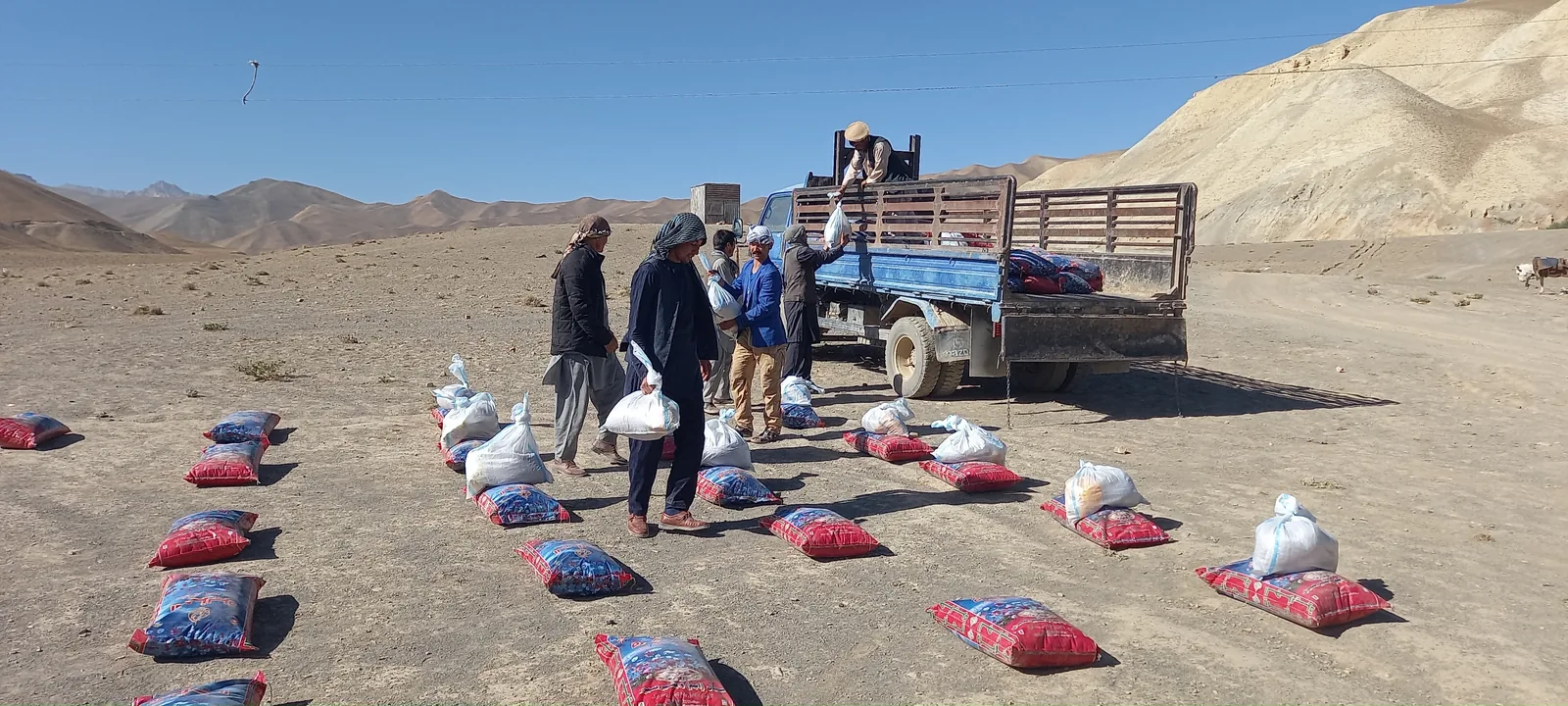
Speed is the thing the big agencies often cannot offer, because the work is genuinely dangerous. In 2016 ReliefAid lost two friends and colleagues to snipers in Syria. In Gaza, eight of its northern team were killed and two injured.
That danger is why most organisations stay out. It is also, more or less, why Seawright built one that goes in. Families on the front line often have none of the basics they need to survive, and if the food, water and shelter do not arrive quickly, people die.
A Beer in Napier, a Pub in London
None of it worked at the start. Seawright had the experience, but ReliefAid had done nothing yet, and nobody wanted to fund a charity with no track record. So he got out of the office. On a flight back from his childhood home in Hawke’s Bay he met a woman named Margaret Taylor, who invited him to speak at a Rotary meeting in Napier. She warned him they would not give him any money, but there would be a free beer and a dinner in it.
No money came, as promised. But a few days later Seawright rang Margaret and asked her to introduce him to a UK aid organisation that Rotary helped fund. The group worked in natural disasters, not war zones, but he thought they might be persuaded. One thing led to another, and on his way to Yemen he stopped in London for a few beers at a pub by London Bridge, across the Thames from where he once worked in investment banking. A ten-year partnership was born there. It has since ended, but it supplied the aid materials that ReliefAid’s teams carried into Syria.
Building trust in these places, Seawright says, is simpler than people expect.
“If you deliver aid on the basis of need alone, if you do not take sides, if you put humanity in the middle and keep your word, then even hardened warlords will not stand in your way.”
Mike Seawright, ReliefAid
That compact is harder to hold now, he says. In some conflicts the old understanding has broken down, aid workers are no longer treated as off-limits, and relationships are difficult to build when one or both sides have no respect for humanity.
The Hardest Days
Not everything has gone the way he hoped. On that first mission in Sudan, the pressure got to one of his senior managers, who snapped and attacked the medical team leader, Sharon, injuring her badly enough to need surgery. It made Seawright question what he might have missed. Sharon recovered and returned to work, and taught him a lesson in resilience he says he now sees every day in the families ReliefAid serves.
The losses are harder. After the two snipings in Syria in 2016, Seawright called the team together to ask whether, now the worst had happened, they should stop. His team, normally so communicative, simply ignored the call. They went to the funeral of their friends, and the next morning they went back to work.
“They had the reason and the opportunity to leave Syria,” Seawright says, “but they put service before self.”
Half a Year Away
Seawright does not direct this from a desk in Auckland. He travels to his teams and works alongside them, on the principle that he cannot ask anyone to do something he will not do himself. It costs him around half the year away from New Zealand, from his family and his friends. He has been in Ukraine every winter since the war began, where no electricity is hard and no electricity with no heating, at minus 20, is something else again.
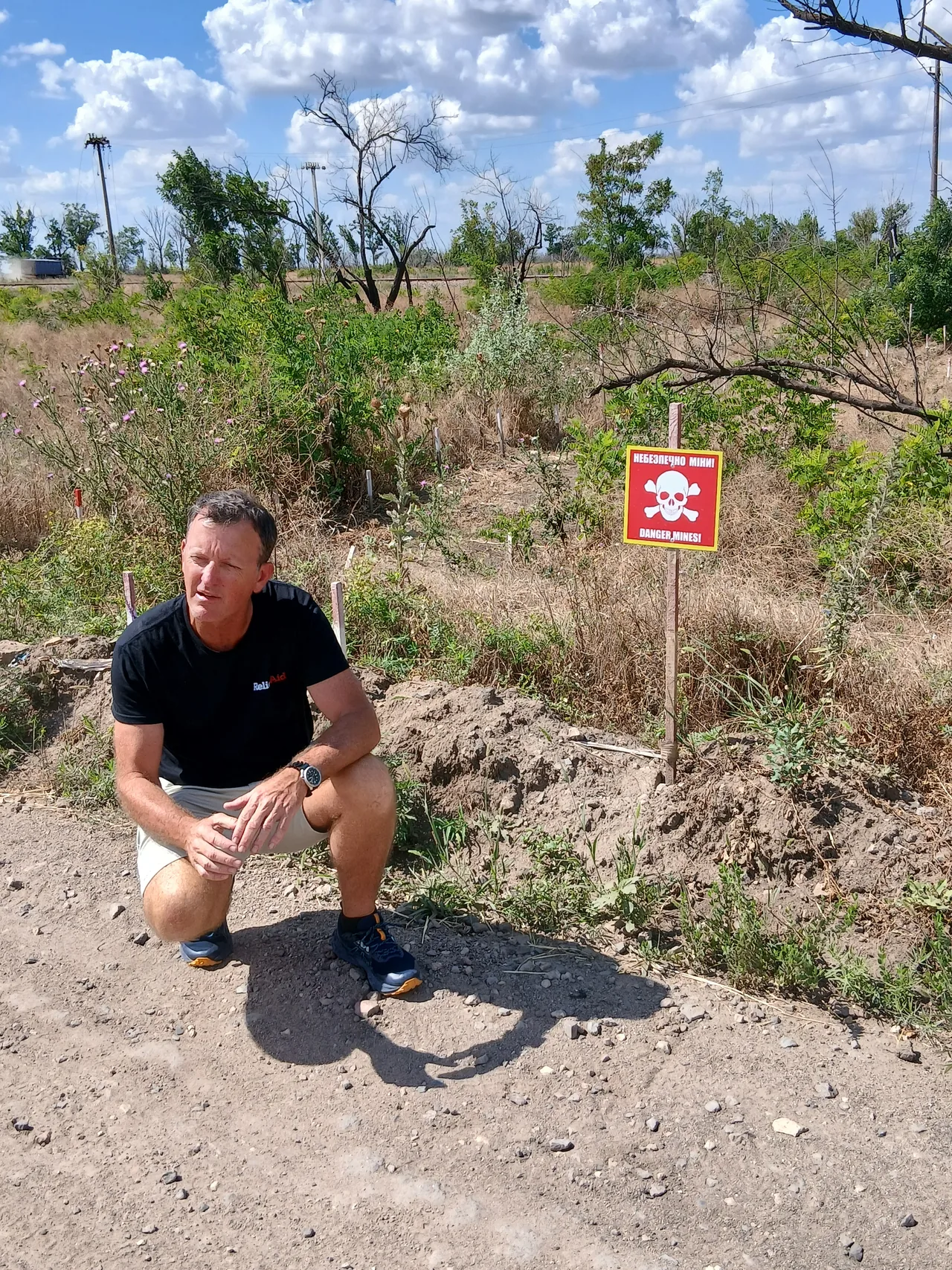
He is careful about where the hardship really sits. He gets to come home to a country that is not at war. His teams do not. Their schools have been bombed, their children are at risk, and they never know what the next day holds. Yet each morning they get up, dust themselves off and go to serve their community.
The Chain of Humanity
How does a New Zealand outfit pay for work across five conflict zones? One supporter once described it to Seawright as a chain: journalists telling the stories, donors providing the funding, ReliefAid delivering the aid and local teams making sure it reaches the people who need it most. Public attention comes and goes, and when wars drag on for years there is a real risk that people grow tired of hearing about them. But everyday Kiwis, families, businesses and foundations have kept showing up.
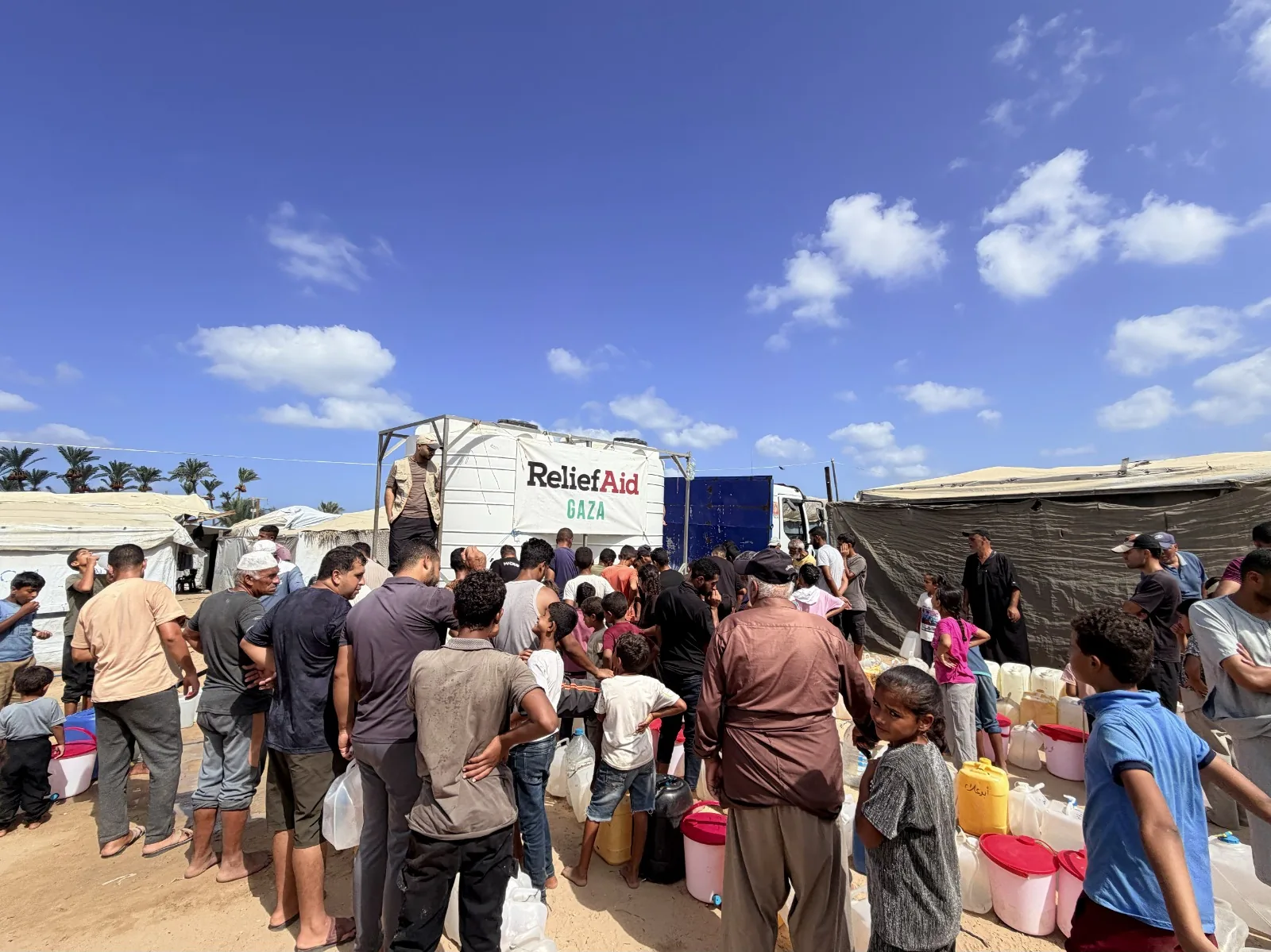
Reaching two million people, Seawright says, does not change why the charity exists. The job now is to grow without losing the thing that made it work: being fast, practical and focused on the people who need help most. More families, in more conflict zones, as quickly as ReliefAid can reach them.
“In a perfect world, ReliefAid would not need to exist. But we don’t live in that world. So, while there is need, we will continue to serve.”
Mike Seawright, ReliefAid
You can read more about the charity’s work, or support it, at reliefaid.org.nz.