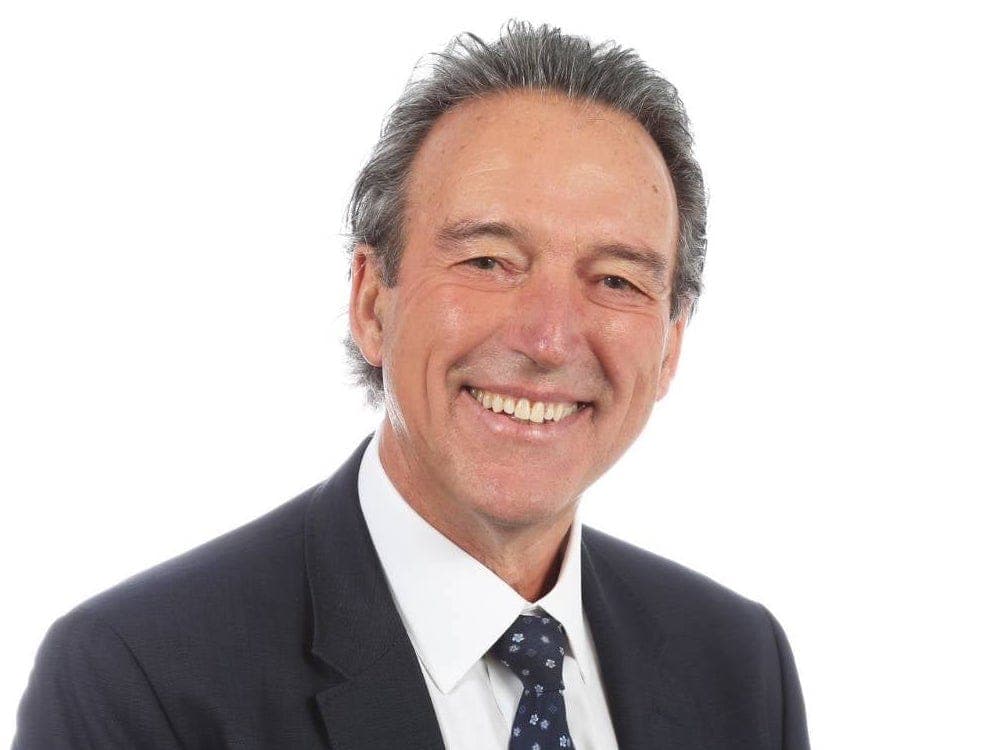
How Graeme Hart Made His Money and Became New Zealand's Richest Man
He left school at sixteen and became the wealthiest New Zealander who has ever lived. Graeme Hart made his fortune buying dull, essential businesses that the rest of the market had stopped paying attention to.
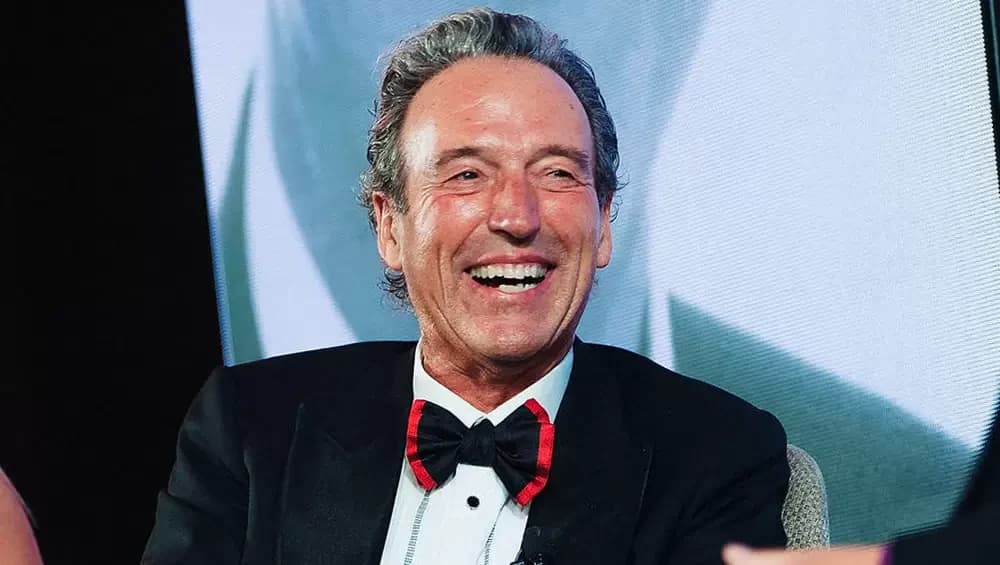
Graeme Hart is the richest person New Zealand has ever produced, worth somewhere north of ten billion US dollars, and almost nobody in the country would recognise him in the street. He gives no interviews, courts no attention and owns no household-name company at home. What he owns instead is a large slice of the packaging that the rest of the world throws out every day: the foil in your kitchen drawer, the milk cartons in the fridge, the plastic tub your takeaway came in.
His story is not the usual one of a bright idea and a garage. There was no invention and no lucky app. Hart got rich doing something almost boringly unglamorous, and doing it with a discipline very few people can stomach. Here is how he did it.
How did Graeme Hart make his money?
Graeme Hart made his money through leveraged buyouts: he borrowed heavily to buy large, unfashionable industrial businesses that produced steady cash, tightened them up and either held them or sold them on for far more than he paid. His vehicle for this is Rank Group, a private investment company he controls outright, and his chosen field became packaging.
Hart almost never explains himself in public, but in a rare 2022 interview he laid the logic out plainly. Buy a business whose income you trust, lift its earnings, and the debt taken on to buy it is safer than it looks, because the loan is secured against cash flows about as dependable as a bond.
“We are borrowing against a stream of what we call bond-like cash flows, and that’s what we do.”
Graeme Hart
The pattern started early. In 1990 Hart bought the recently privatised Government Printing Office, an early and audacious use of debt to take control of an asset far larger than his own means. He followed it with the book retailer Whitcoulls and the industrial group UEB. Each deal taught the same lesson: a dull business throwing off reliable cash can be bought largely with borrowed money, and the cash it generates then pays down the loan. Own it long enough and you own something valuable for very little of your own capital.
He then took that method offshore and up in scale. Through the Australian food group Burns Philp he seized control of Goodman Fielder, one of the largest food companies in Australasia. He bought the New Zealand forestry and building-products giant Carter Holt Harvey. And from 2006 he began assembling the thing that made him properly, globally rich: a packaging empire.
What is Graeme Hart's net worth?
As of 2026 Graeme Hart's net worth is estimated at roughly ten to eleven billion US dollars, which the 2026 NBR Rich List valued at about fourteen billion New Zealand dollars. Forbes puts the figure near US$10.6 billion, among the 350 richest people on the planet, while Bloomberg has at times ranked it higher. Whichever measure you take, he is the wealthiest self-made individual New Zealand has produced.
His position has been remarkably durable. Hart was the first New Zealander to be worth ten billion dollars, and he topped the National Business Review Rich List year after year for the better part of two decades. On the 2026 list the family behind the toy company Zuru, brothers Nick and Mat Mowbray, edged ahead as a combined entry, but measured as a single person Hart remains the country's richest individual and its dominant figure in global industry.
What companies does Graeme Hart own?
Graeme Hart's central holding has been in global packaging, built up under the Reynolds Group and later Pactiv Evergreen. Between them these businesses have made Reynolds Wrap foil, Hefty rubbish bags, drink cartons, foodservice containers and the closures and cups used by food and drink brands worldwide. He assembled the empire by buying and merging established names rather than building from scratch.
The buying spree was relentless. He paid US$2.7 billion in 2008 for the packaging and consumer arms of the American aluminium giant Alcoa, the deal that gave him the Reynolds brand, then about US$4.4 billion in 2010 for Pactiv, the maker of Hefty products. Graham Packaging, Evergreen Packaging, SIG Combibloc and Closure Systems International followed, all folded into the group. In 2020 he floated Reynolds Consumer Products and Pactiv Evergreen on the Nasdaq while keeping control, and in 2025 he agreed to sell his controlling stake in Pactiv Evergreen into a takeover by the American packaging group Novolex, a deal that valued the business at around US$6.7 billion. Rank Group also holds a mix of other industrial and land assets away from the public eye.
Graeme Hart's landmark deals
| Year | Deal | What it added | Value |
|---|---|---|---|
| 2006 | Carter Holt Harvey | New Zealand timber and paper | NZ$3.3 billion |
| 2008 | Alcoa packaging | The Reynolds brand | US$2.7 billion |
| 2010 | Pactiv | Hefty food packaging | About US$4.4 billion |
| 2020 | Reynolds and Pactiv Evergreen IPOs | Nasdaq listings, control kept | Undisclosed |
| 2025 | Pactiv Evergreen sale to Novolex | Exit of controlling stake | About US$6.7 billion |
Who is Graeme Hart's family?
Graeme Hart is married to Robyn Jessie Hart and the couple have two children. Born in Auckland on 6 June 1955, he is in his early seventies and still bases himself in New Zealand despite the global reach of his businesses. The family is famously private and stays well out of public life, in keeping with Hart's own aversion to publicity.
His early life gives little hint of what came later. He left school at sixteen and worked as a tow-truck driver and panel beater before running his own small ventures. In 1987 he completed an MBA at the University of Otago, admitted on the strength of his business record rather than an undergraduate degree, and it was there he began sketching the buyout approach that would make his name.
What is Graeme Hart's yacht?
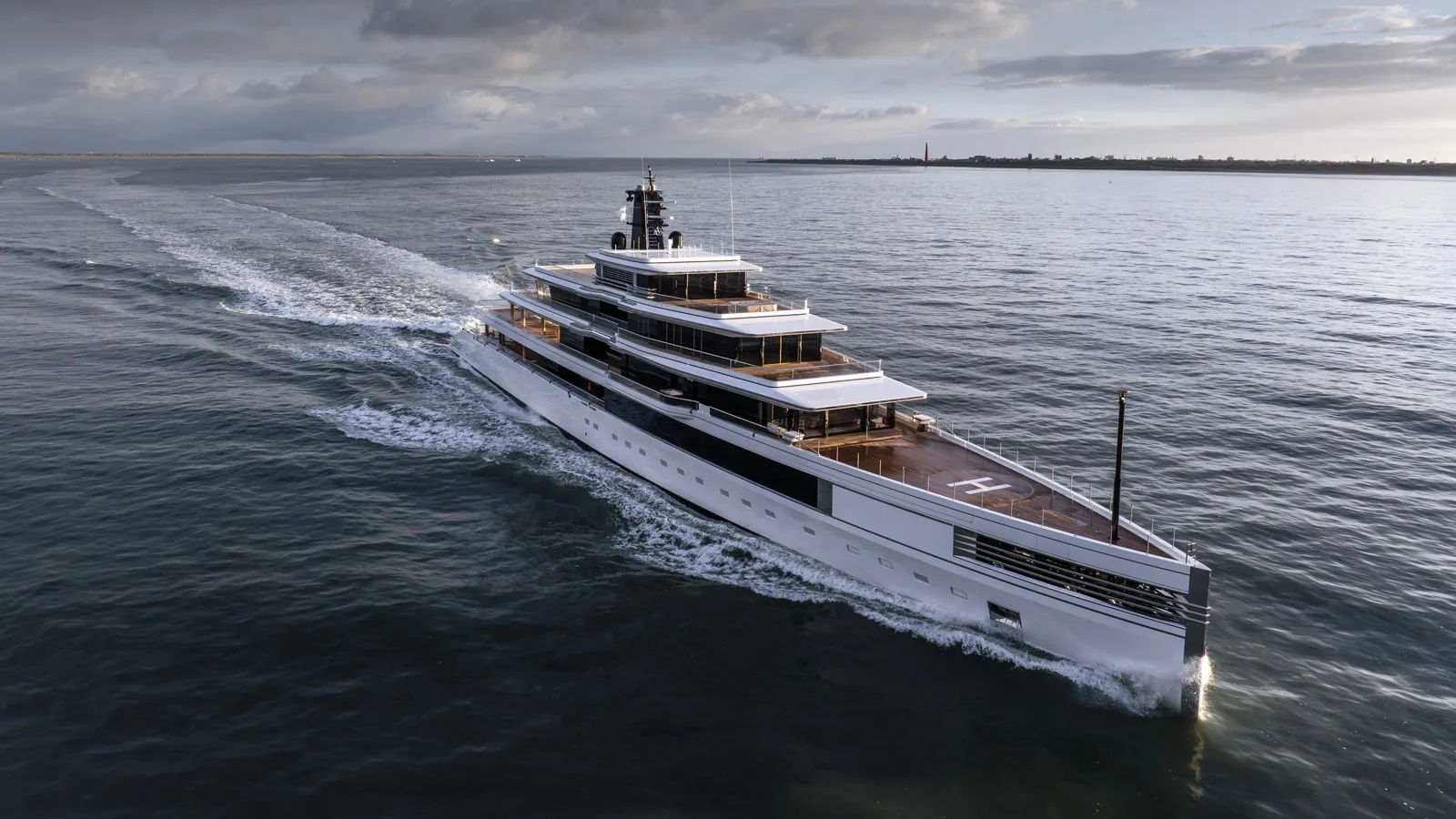
Graeme Hart's yacht is Ulysses, a 116-metre explorer superyacht delivered in 2017 and one of the largest private vessels in the world. It is the third of his boats to carry the name: a 58-metre Ulysses launched in 2006 and a 107-metre expedition yacht completed in 2014 came before it, each sold on as he moved up in size. The yacht is the rare part of his life that draws attention, which is fitting for a man who gives the press almost nothing else to photograph.
The Man Who Stays Out of Sight
What separates Hart from most of the very rich is not just the scale of the wealth but the near-total absence of noise around it. There is no foundation with his name over the door, no memoir, no seat on the talk-show couch. When his name does surface in the press it is usually about the yacht rather than anything he has said. He is not entirely absent from good causes: in 2018 he gave ten million dollars to the University of Otago, the school that let a dropout in on the strength of his record.
That silence is part of the method. Leveraged buyouts are unforgiving: the debt that magnifies the gains will magnify a mistake just as fast, and the game rewards cold judgement over charisma. Hart has been prepared to buy assets nobody else wanted, in industries nobody found interesting, and to carry more debt than most would sleep under. It is not a formula that photographs well, which may be exactly why he has never bothered trying to make it.
For all the offshore billions, the shape of the fortune is oddly consistent with where it began. The Government Printing Office in 1990 and a US$6.7 billion packaging exit in 2025 are the same move at different volumes: find the dull, essential business the market has stopped valuing properly, buy it with borrowed money, and be patient. Do that for thirty-five years and you become the richest New Zealander who has ever lived, while remaining a stranger to almost everyone in the country.