Allbirds: The Kiwi Wool Shoe That Took On the World
A wool trainer from a Kickstarter, built on New Zealand merino and a Kiwi footballer’s idea, became a six billion dollar Wall Street company. Then it had to learn the harder half of the sustainability lesson.
In 2016 a shoe made largely of wool went on sale from a house in San Francisco, and within a few years it had become one of the most talked about products in global fashion. The wool came from New Zealand. So did one of the two founders. For a while Allbirds looked like the clearest proof yet that a Kiwi idea about doing things more sustainably could take on the world. Then it had to learn the harder half of that lesson.
A Shoe Made of Wool
The Kiwi in the story is Tim Brown, a former All White and vice-captain of New Zealand’s 2010 World Cup squad. Near the end of his football career he became fixated on a simple question: why were shoes built from so much synthetic material when New Zealand produced some of the best merino wool in the world. In 2014 he ran a Kickstarter for a wool trainer that raced past its target within days. To turn the idea into a company he teamed up with Joey Zwillinger, an American engineer with a background in renewable materials, and the pair launched Allbirds in March 2016 with a single design.
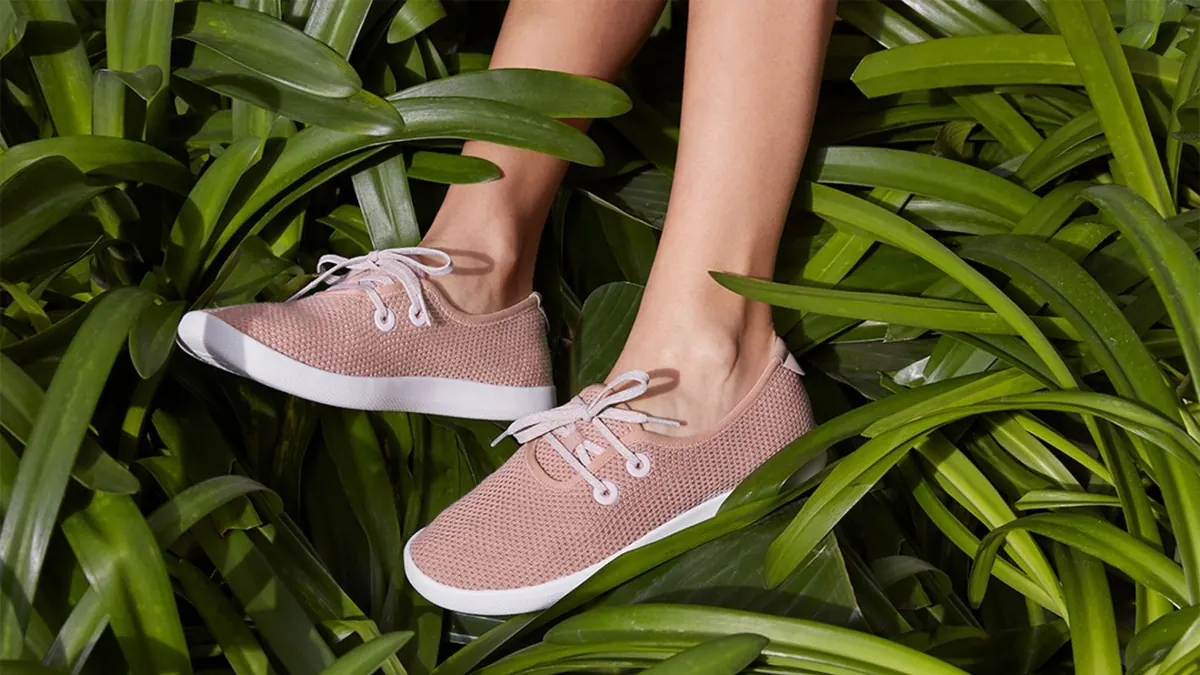
The materials told the whole story. The merino came from New Zealand growers through NZ Merino in Christchurch, carrying the ZQ certification that covers animal welfare and land management. The original shoe was designed by New Zealander Jamie McLellan, the yarn was milled in Italy and the shoes were assembled offshore. The result, the Wool Runner, was soft, plain and comfortable, and it sold on a promise that it had been made with more care than the average sneaker. In a market obsessed with logos and hype, a shoe that looked understated and told an honest story about where it came from stood out.
Selling Sustainability, Not Just Shoes
Allbirds was never only selling footwear. It became a certified B Corp, developed a sugarcane based foam midsole it called SweetFoam and then gave the formula away so rivals could use it too. It went further than almost anyone in the industry by printing a carbon footprint on every product, the way a food label lists calories, and it published the method behind the numbers so the figures could be checked. That openness was the point. The pitch was not just that the shoes were greener, but that a company could be honest about its impact and still grow. In late 2021 Allbirds tested that idea in the most public way possible, listing on the Nasdaq under the ticker BIRD in what was billed as the first sustainable IPO on Wall Street, a float that tied the company to a set of environmental and social commitments.
The Six Billion Dollar Peak
The market loved the story. Allbirds had already reached unicorn status in 2018 with a valuation of 1.4 billion US dollars. When it floated in November 2021 the shares priced at 15 dollars and jumped to more than 27 on the first day of trading, giving the company a market value of around 3.5 billion US dollars, close to six billion New Zealand dollars. A wool shoe from a Kickstarter had become a Wall Street company inside seven years, and for a moment the sustainable brand looked like it had won the argument.
“At its 2021 peak Allbirds was worth around six billion New Zealand dollars. Three years later that figure was four and a half million.”
Back to Earth
The fall was as fast as the climb. Revenue peaked at just under 298 million US dollars in 2022, but the share price had already dropped more than 90 percent from its high. The company had chased growth into too many products and too many stores, and the losses piled up: 101 million US dollars in 2023, then 152 million in 2024 as sales fell by a quarter and Nasdaq warned it over its sinking share price. By 2024 its market value had collapsed to around 4.5 million US dollars, a 97 percent fall from the peak. As The Spinoff has documented, in January 2026 Allbirds said it would close its remaining full price stores in the United States, leaving little more than two shops in London and a couple of outlet stores. Its New Zealand and Australian business was handed to a local operator, the Compendium Group.
What It Leaves Behind
It would be easy to file Allbirds under cautionary tale, and in business terms it is one. But the part that started in New Zealand still stands up. It put Kiwi merino in front of millions of buyers. It made carbon labelling normal enough that far bigger brands followed. And it proved there was real demand for clothing that could show its working. The harder lesson is one plenty of New Zealand makers already knew: that doing the ethical thing well is a long, unglamorous business, closer to getting the right wool to the right buyer than to a stock market debut. The brands that last tend to treat sustainability as a standard to meet rather than a story to sell. For a look at the New Zealand companies building quietly on that idea, see our guide to the country’s eco-friendly brands leading on sustainability.