Jacinda Ardern’s Record as Prime Minister
Jacinda Ardern proved that empathy, decisiveness, and kindness are not weaknesses in leadership. Her record as New Zealand’s Prime Minister changed the conversation globally.
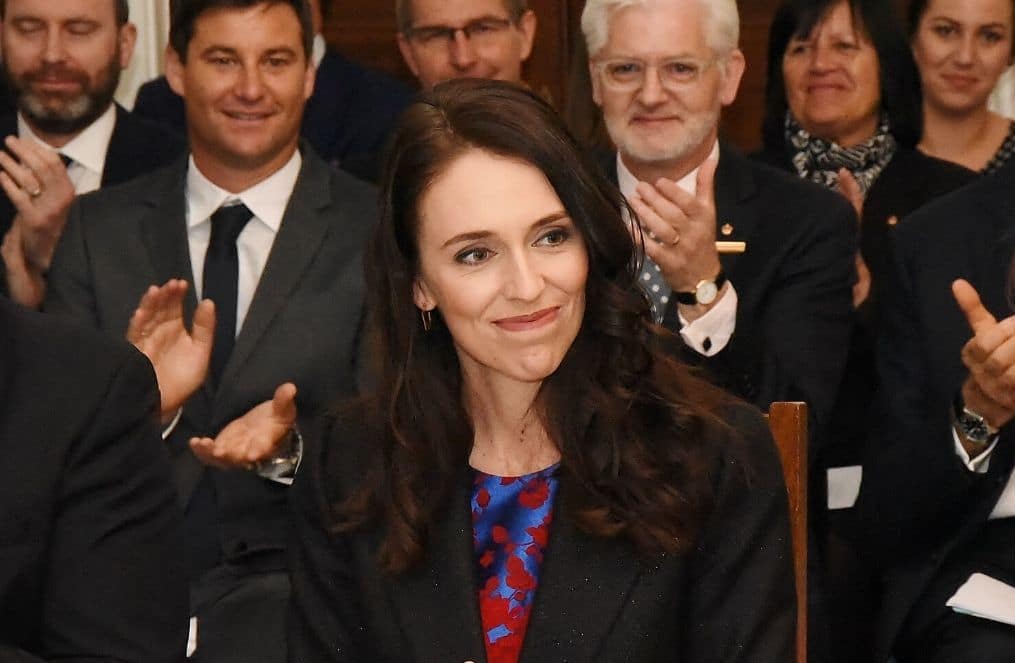
When Jacinda Ardern became New Zealand’s Prime Minister, she was the country’s third female PM, the second youngest, and, after giving birth in office in 2018, the first world leader to take maternity leave while serving. Her tenure, from 2017 to 2023, tested the idea that empathy and decisiveness are incompatible in leadership. The evidence suggests they are not.
Leading with kindness and results
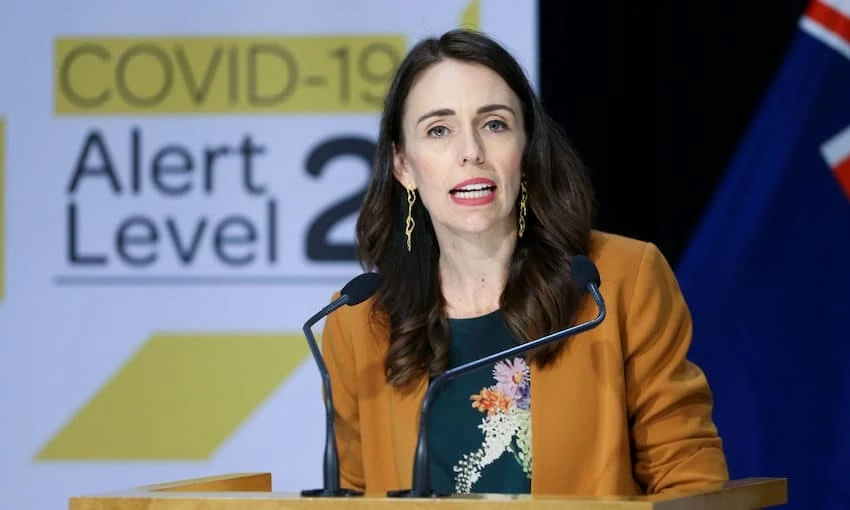
“Be kind” became Ardern’s public mantra. In a NewsHub interview, she framed it simply:
“If you ask someone what they want for their kids when they’re older, often we revert to those values: we want our kids to be happy; we want them to feel loved and supported; we want them to be treated well by others and we want them to treat others well. If those are the values that are so important to us that we teach them to our kids, then we should expect those same values from our leaders.”
Jacinda Ardern
That approach was not just rhetoric. Organisational research published during her tenure found that the qualities often dismissed in female leaders, empathy, collaboration, relationship building, were precisely the skills that made crisis leadership more effective. Global analysis of COVID-19 responses showed countries with female leaders consistently performed better in the early stages of the pandemic.
COVID-19: Go hard, go early
Ardern’s “Go hard, go early” response to COVID-19 was built on decisive action paired with clear, empathetic communication. Her daily press briefings, the “Team of 5 million” framing and a focus on protecting the most vulnerable helped New Zealand achieve early elimination of community transmission, an outcome few countries managed.
The Businesses that adapted during the pandemic did so within a framework that prioritised health alongside economic activity. That balance was not accidental, it was policy.
She was subsequently named One of the world’s top thinkers and, according to Polling, became the country’s most popular leader in 100 years.
March 15 and gun reform
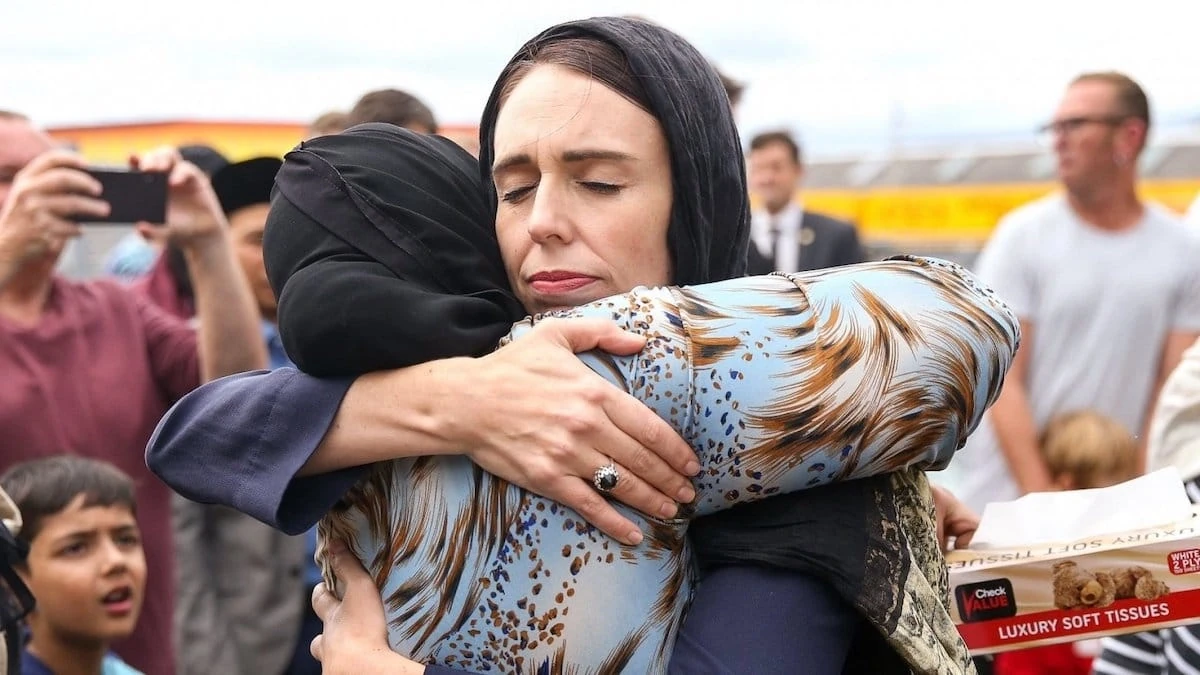
The Christchurch mosque attacks on 15 March 2019 killed 51 people, the deadliest mass shooting in New Zealand’s modern history. Ardern’s response was immediate. She condemned the attack, addressed the Muslim community directly, “They are us”, and within six days, military-style semi-automatic firearms were banned. Over 62,000 prohibited firearms were subsequently removed from circulation.
“New Zealand has been chosen because it was safe, because it was no place for hatred or racism. Because we represent diversity, kindness, compassion, home for those who share our values. Refuge for those who need it.”
Jacinda Ardern
The speed and clarity of the response drew global attention. Several countries cited New Zealand’s gun reform as a model in subsequent years.
The Wellbeing Budget
In 2019, Ardern and Finance Minister Grant Robertson delivered a Wellbeing Budget — the first national budget in the world to prioritise citizen wellbeing alongside GDP. It directed funding toward mental health, child poverty reduction, Māori and Pacific income equality and the transition to a low-emissions economy. A second Wellbeing Budget followed in 2020, focused on COVID-19 recovery.
Women’s rights
Before taking office, Ardern campaigned for pay equality. In government, she passed the Equal Pay Amendment Bill in 2020, strengthening protections against gender-based pay discrimination. Her government also introduced Free period products in schools, starting with 15 schools in the Waikato and expanding to all state and state-integrated schools.
Legacy
Ardern resigned as Prime Minister in January 2023, citing the toll the role had taken. Her legacy is a demonstration that the qualities often dismissed as “soft” — empathy, transparency and the willingness to lead with values — produced some of the hardest, most consequential decisions in New Zealand’s recent history. Whether the lesson sticks is up to those who follow.
For more stories of New Zealand leadership, browse our People profiles.